Lifestyle
How Creating a Seasonal Household Rhythm Calendar Rather Than a Daily To-Do List Reduces the Feeling That Domestic Life Is Always Behind
A seasonal household rhythm calendar reorganizes domestic tasks across natural time windows, replacing the daily feeling of falling behind with a clearer, more sustainable framework for managing home life.
By Robert Kim | Nov 05, 2026
How Designating a Single Weekly 'Analog Hour' Without Screens or Inputs Gradually Restores Your Attention Span Over Time
A single weekly hour spent entirely without screens or audio inputs is one of the simplest and most effective ways to gradually recover a fragmented attention span — and the benefits compound quietly over weeks.
By Chris Martinez | Nov 02, 2026
Why Keeping a Single Running List of Things That Made You Laugh Each Week Produces a Measurable Shift in How You Interpret Daily Frustrations
A single running list of things that made you laugh each week quietly rewires how you interpret daily frustrations — no elaborate system required, just consistent noticing.
By Robert Kim | Oct 27, 2026

How Designating a Single Physical 'Thinking Chair' Away From Your Desk Changes the Quality of Decisions You Make at Home
Where you sit when making decisions shapes the quality of those decisions more than most people realize. Designating a single chair away from your desk as a dedicated thinking space creates a spatial cue that consistently produces calmer, more honest reasoning.
By Robert Kim | Oct 20, 2026
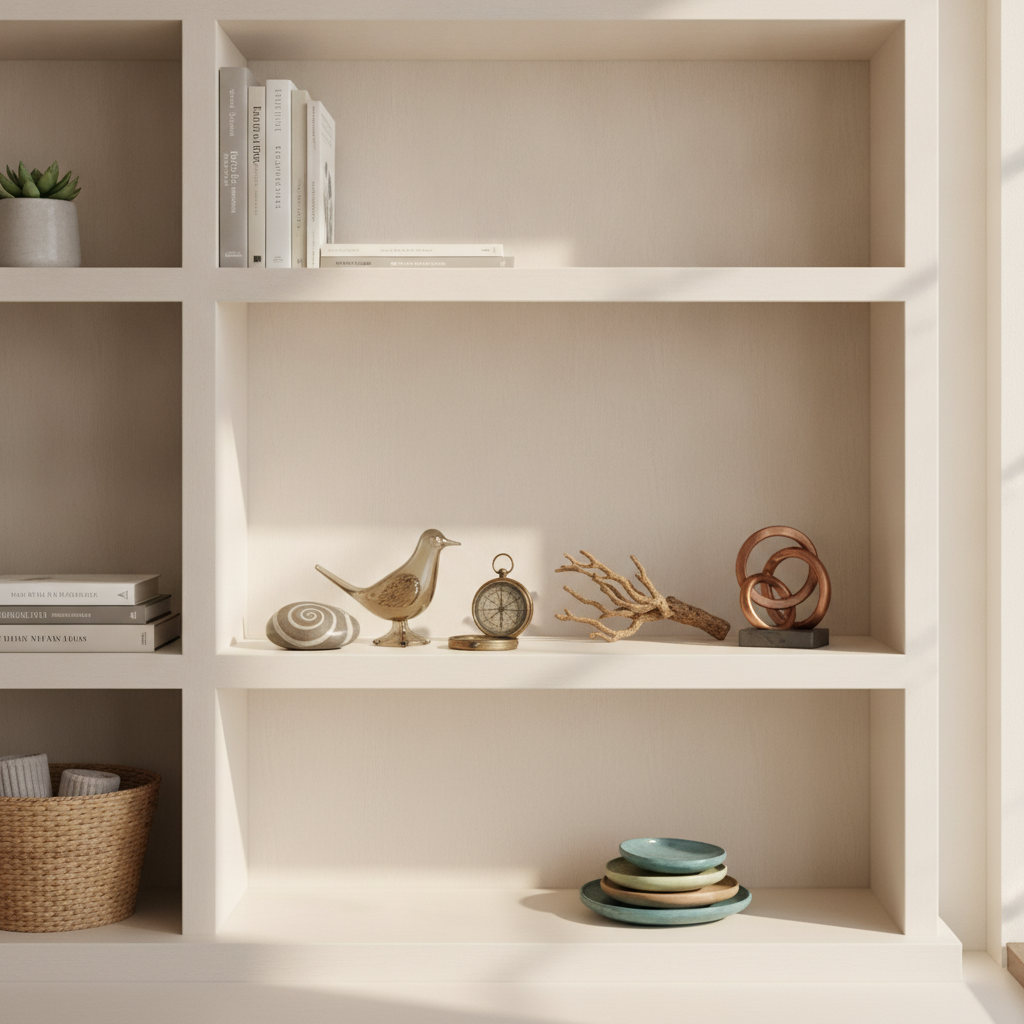
Why Dedicating One Shelf in Your Home Exclusively to Objects With No Practical Function Changes How Your Space Actually Feels to Live In
A single shelf dedicated to objects with no practical function does something subtle but significant to the way a home feels — shifting it from a system into a place. Here's why that distinction matters more than most design advice acknowledges.
By Marcus Chen | Oct 17, 2026
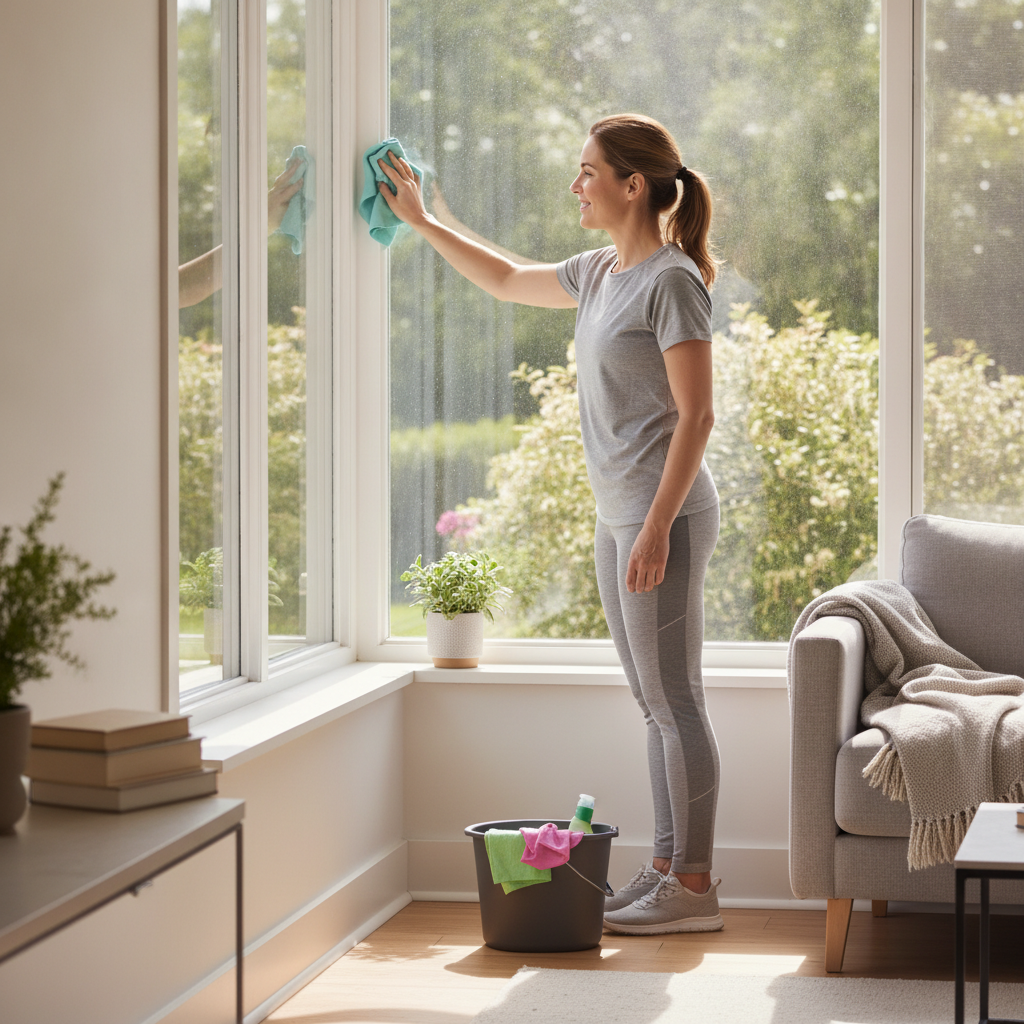
How Assigning a Fixed Weekly Window for Deep Cleaning One Room at a Time Prevents the Overwhelm of Whole-Home Reset Days
Whole-home cleaning marathons tend to burn out fast. Assigning a fixed weekly window to deep clean one room at a time keeps your home consistently maintained without the overwhelm of an all-day reset.
By Robert Kim | Oct 14, 2026

Why Assigning Each Long-Term Personal Project a Physical Folder With a Written Next-Action Card Prevents Creative Work From Dying in a Digital To-Do List
Long-term creative projects routinely stall inside digital to-do lists because they lack physical presence and context. A simple folder-and-next-action-card system gives each project the weight and clarity it needs to survive.
By Robert Kim | Oct 11, 2026

How Treating Your Weekend Grocery Run as a Planned Sourcing Trip Rather Than a Reactive Errand Changes What You Cook All Week
The difference between a reactive grocery errand and a deliberate sourcing trip isn't just organizational — it quietly reshapes every meal that follows. A shift in mindset at the store changes what appears on the table all week.
By Robert Kim | Oct 08, 2026

Why Building a Small Seasonal Ritual Around a Single Ingredient Each Quarter Deepens Your Relationship With Cooking More Than Any New Recipe Collection
Choosing a single seasonal ingredient to cook with deeply each quarter builds real culinary understanding that no recipe collection can match. Here's how a simple quarterly ritual transforms the way you relate to food and cooking.
By Robert Kim | Oct 04, 2026

How Assigning a Fixed Day Each Season to Audit Your Digital Subscriptions Prevents the Slow Financial Drain Most Households Never Notice
Subscription charges accumulate quietly across most households, and no single charge feels large enough to address. Assigning one fixed audit day per season is the simplest way to stop the slow financial drain before it compounds.
By Marcus Chen | Oct 01, 2026

Why Keeping a Single Seasonal Intentions List Produces More Honest Personal Progress Than Year-Round Goals
Annual goals often collapse under the weight of life's shifting demands. A single seasonal intentions list offers a shorter, more honest frame that keeps personal growth feeling achievable and real.
By Robert Kim | Sep 28, 2026
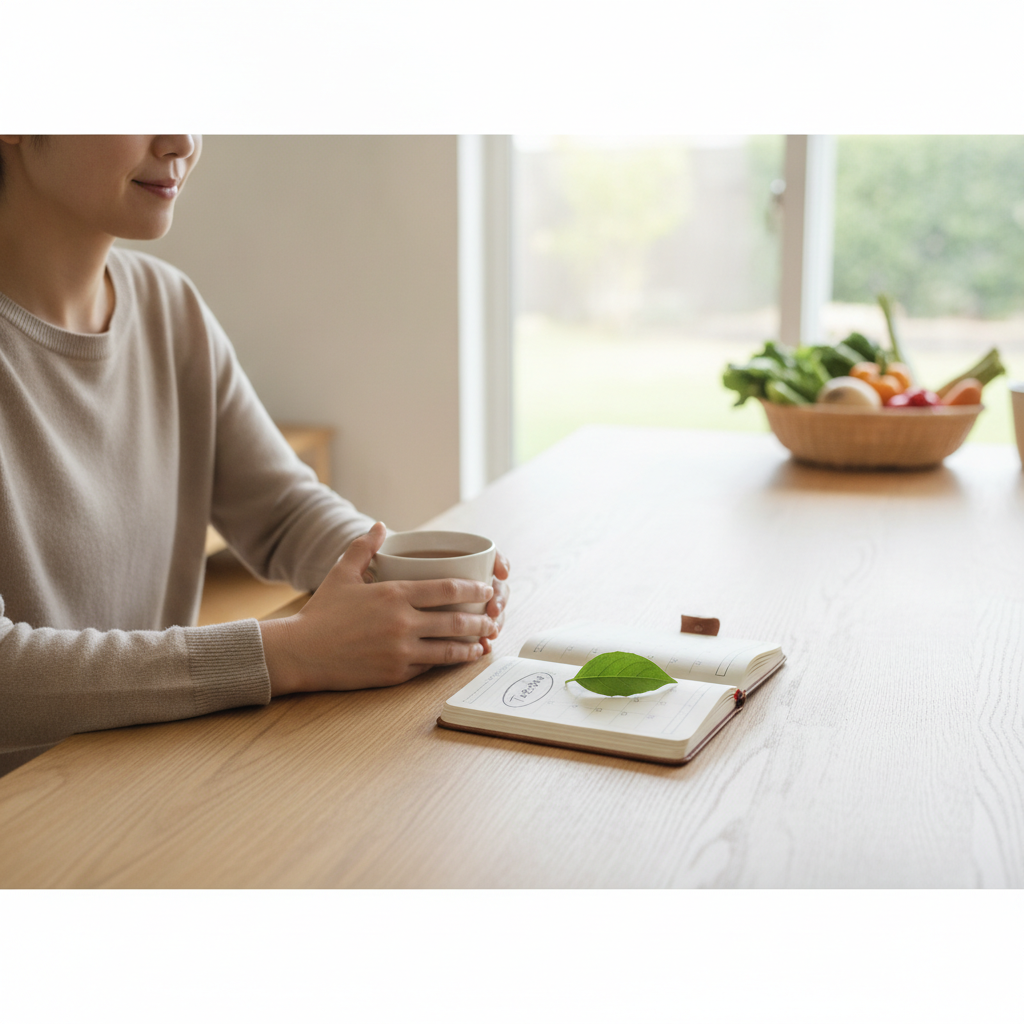
How Designating a Single Weekly 'No-Purchase Day' Resets Your Relationship With Impulse Spending Without Requiring a Full Budget Overhaul
A single weekly no-purchase day can quietly reshape your spending habits without requiring a full budget overhaul — here's how to make it work naturally.
By Robert Kim | Sep 25, 2026

Why Creating a Rotating Monthly 'Skill Focus' for a Single Domestic Task Builds Quiet Competence That Compounds Over a Year
A rotating monthly skill focus applies deliberate attention to one domestic task at a time, building practical household competence that quietly compounds across an entire year.
By Robert Kim | Sep 22, 2026

How Designating a Single Weekly 'Admin Hour' for Household Finances Reduces the Background Stress of Unresolved Money Questions
A single designated hour each week for household finances can eliminate the persistent background stress of unresolved money questions — here's how to make it work simply and sustainably.
By Robert Kim | Sep 19, 2026

Why Replacing One Weekly Convenience Purchase With a Made-From-Scratch Equivalent Rebuilds Practical Household Competence Over Time
Replacing just one weekly convenience purchase with a homemade equivalent is a low-pressure way to rebuild practical household skills that compound quietly over time.
By Robert Kim | Sep 16, 2026

How Scheduling a Quarterly Relationship Audit With Close Friends Prevents the Slow Drift That Ends Long Friendships
Adult friendships fade not from conflict but from gradual inattention. Scheduling a quarterly relationship audit with close friends offers a simple, structured way to notice drift before it becomes distance.
By Michael Thompson | Sep 13, 2026
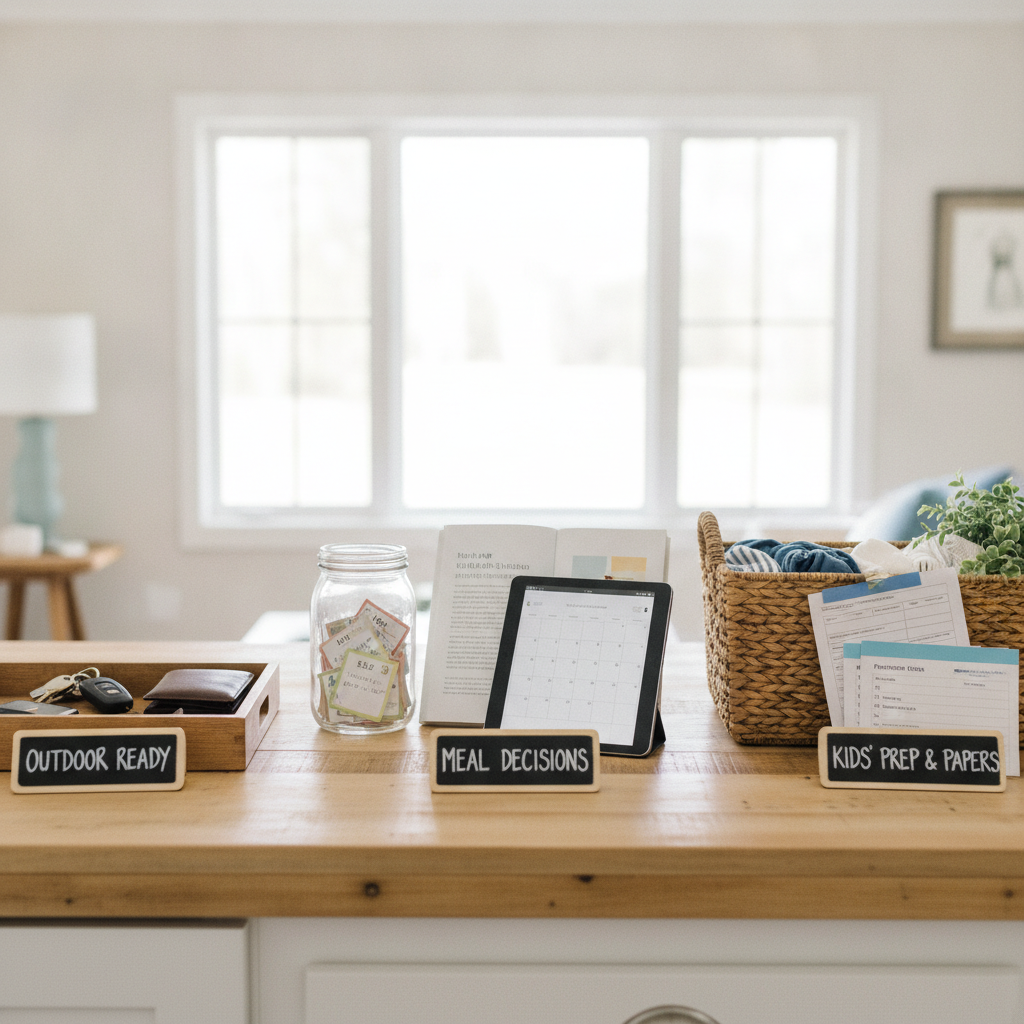
Why Assigning a Fixed Physical Location for Every Recurring Household Decision Reduces the Mental Load of Running a Home
Assigning a fixed physical location to every recurring household decision eliminates the mental overhead of tracking where things happen — and makes running a home feel significantly lighter.
By Robert Kim | Sep 10, 2026

How Designating One Evening Per Week as a No-Input Night Rebuilds Your Capacity for Original Thought
A single input-free evening each week can restore the mental conditions necessary for original thought — not through discipline, but by giving the brain the uninterrupted space it needs to generate rather than just receive.
By Robert Kim | Sep 07, 2026

Why Defining a Personal Creative Output Day Once a Month Produces a Stronger Sense of Identity Than Consuming Content Ever Can
A monthly creative output day does something passive content consumption cannot: it forces a person to make choices that reveal who they actually are. Over time, that practice builds a more grounded and recognizable sense of self.
By Robert Kim | Sep 04, 2026

How Assigning a Fixed Weekly Window for Household Administrative Tasks Prevents the Low-Grade Anxiety of Perpetually Deferred Logistics
A fixed weekly window for household admin tasks quietly eliminates the background anxiety of deferred logistics. Here's how to build a system that actually holds.
By Robert Kim | Aug 30, 2026

Why Rotating Through Defined Leisure Modes Produces Genuine Rest
Defaulting to open screen time rarely produces genuine rest. Rotating through three or four defined leisure modes — physical, creative, social, and restorative — gives the brain clear signals that recovery has actually begun.
By Sarah Mitchell | Aug 26, 2026
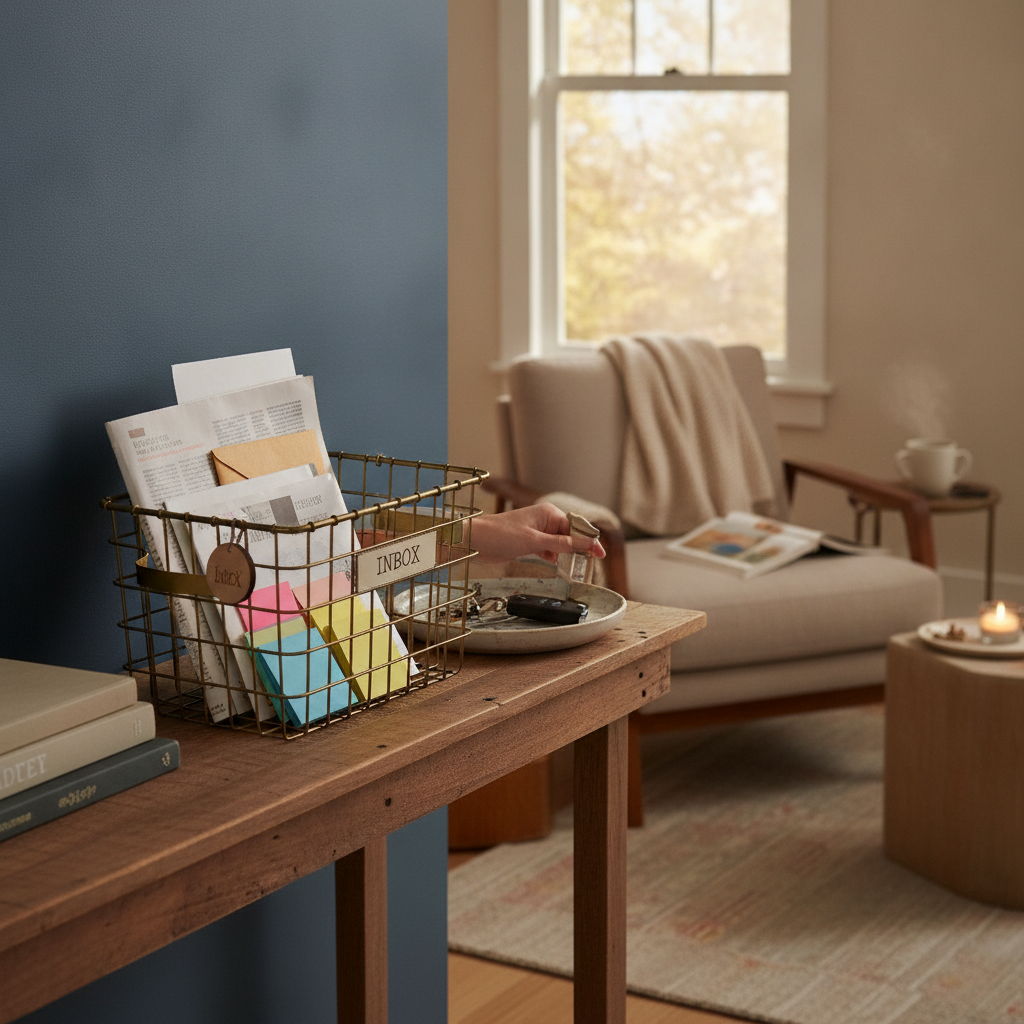
How Assigning a Dedicated Physical Inbox for Incoming Decisions Prevents Choice Overload From Seeping Into Your Evenings
A dedicated physical inbox for incoming decisions keeps daily choice overload contained — so your evenings stay clearer and your mental energy lasts longer.
By Robert Kim | Aug 21, 2026
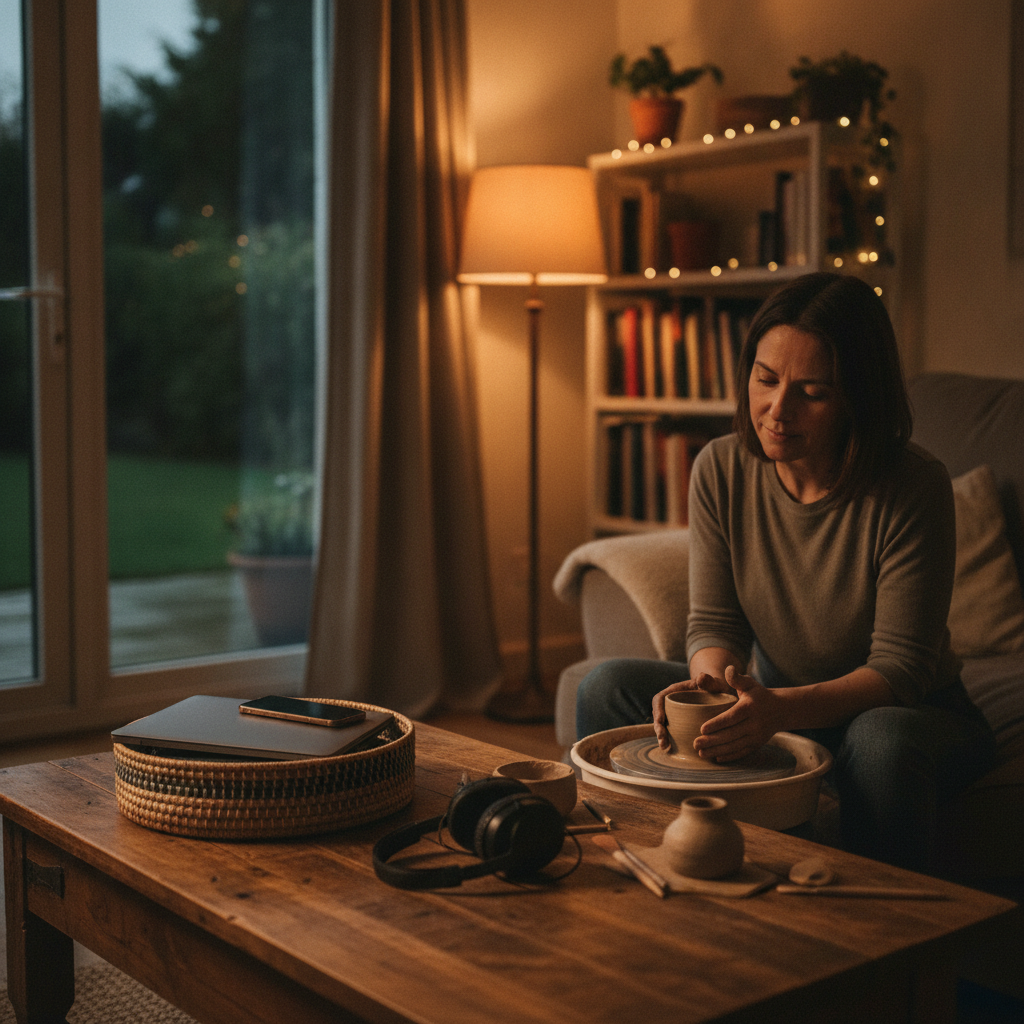
How Setting a Hard Cutoff on Weekday Screen-Based Tasks and Replacing That Window With a Low-Stimulation Hobby Changes Your Weekend Restfulness
Setting a firm weekday screen cutoff and replacing that evening window with a low-stimulation hobby creates a cumulative shift in how rested and present you feel by the weekend. Here's how to structure both sides of that change effectively.
By Robert Kim | Aug 18, 2026
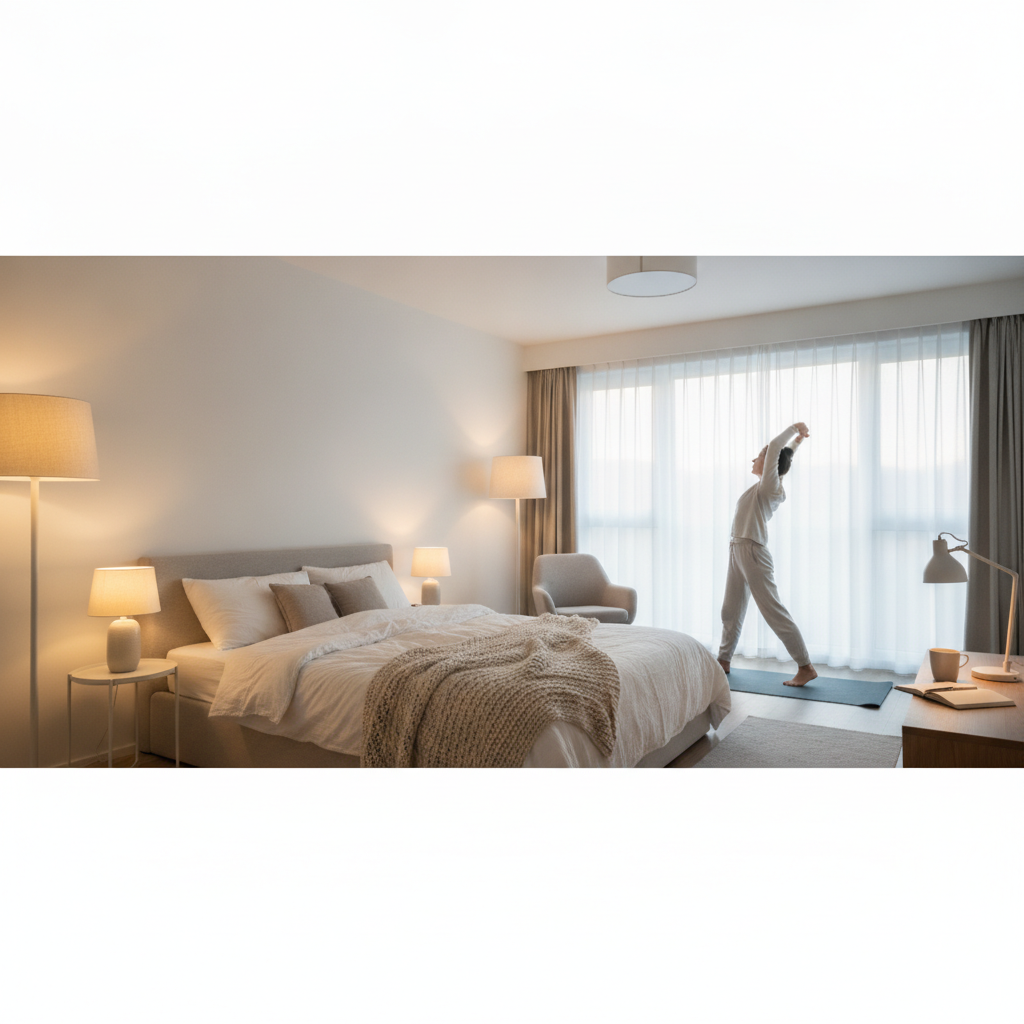
How Replacing Your Bedroom's Overhead Light With Layered Lamp Sources Changes Your Evening Mood and Morning Motivation
Swapping a single overhead fixture for layered bedroom lamps is one of the simplest changes you can make to improve your evening wind-down and morning energy. Here's how to build a lighting setup that actually works with your daily rhythm.
By Marcus Chen | Aug 15, 2026
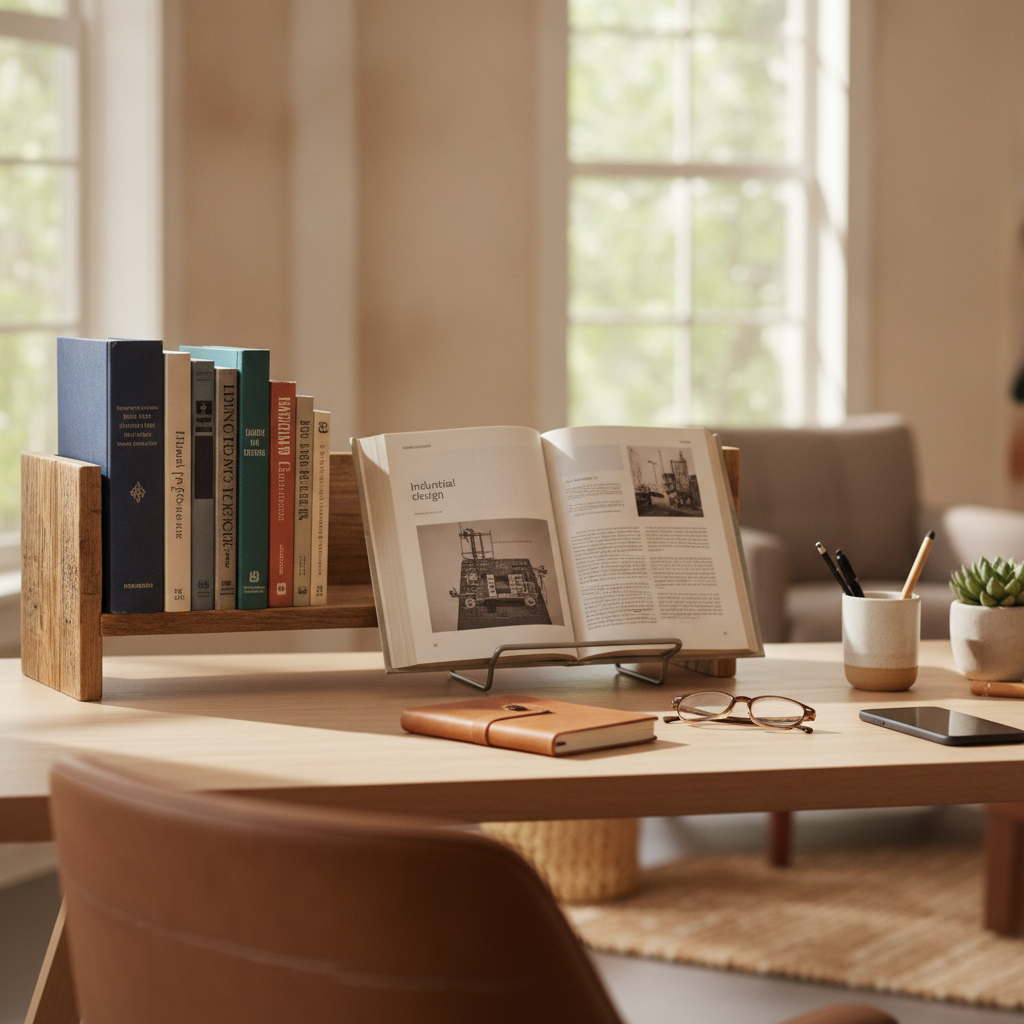
How Curating a Small Shelf of Deliberately Chosen Reference Books for Your Work Area Sharpens Focus and Reduces Mindless Phone Reaching
A small, deliberately chosen shelf of reference books within arm's reach of your desk creates a physical alternative to mindless phone reaching — and quietly reshapes how your attention moves through the workday.
By Chris Martinez | Aug 12, 2026

How Treating Your Evening Wind-Down as a Designed Sequence Rather Than a Vague Intention Improves Sleep Onset and Next-Day Clarity
A vague intention to wind down rarely produces restful sleep. Treating your evening as a deliberate, repeatable sequence gives your nervous system the cues it needs to shift into rest — and sets you up for sharper mornings.
By Robert Kim | Aug 09, 2026
Why Giving Each Recurring Weekly Obligation Its Own Named Time Block Reduces the Feeling That Your Schedule Is Running You
When recurring obligations have no fixed place in your schedule, they create constant low-level mental friction. Giving each one a named time block transforms your week from reactive to intentional.
By David Park | Aug 05, 2026

How Scheduling a Monthly 'Inbox Zero' Day for Physical Mail and Digital Subscriptions Prevents Administrative Overwhelm
One dedicated monthly 'Inbox Zero' day for physical mail and digital subscriptions can prevent administrative overwhelm before it builds. Here's how to structure yours for real, lasting results.
By Robert Kim | Aug 02, 2026

Why Replacing Open-Ended Leisure Time With a Short Weekly Craft Constraint Produces More Satisfaction
Open-ended leisure time often delivers less satisfaction than it promises. A short, specific weekly craft constraint — a single medium, a set time block — turns out to be one of the most restorative structures a person can build into their week.
By Robert Kim | Jul 30, 2026
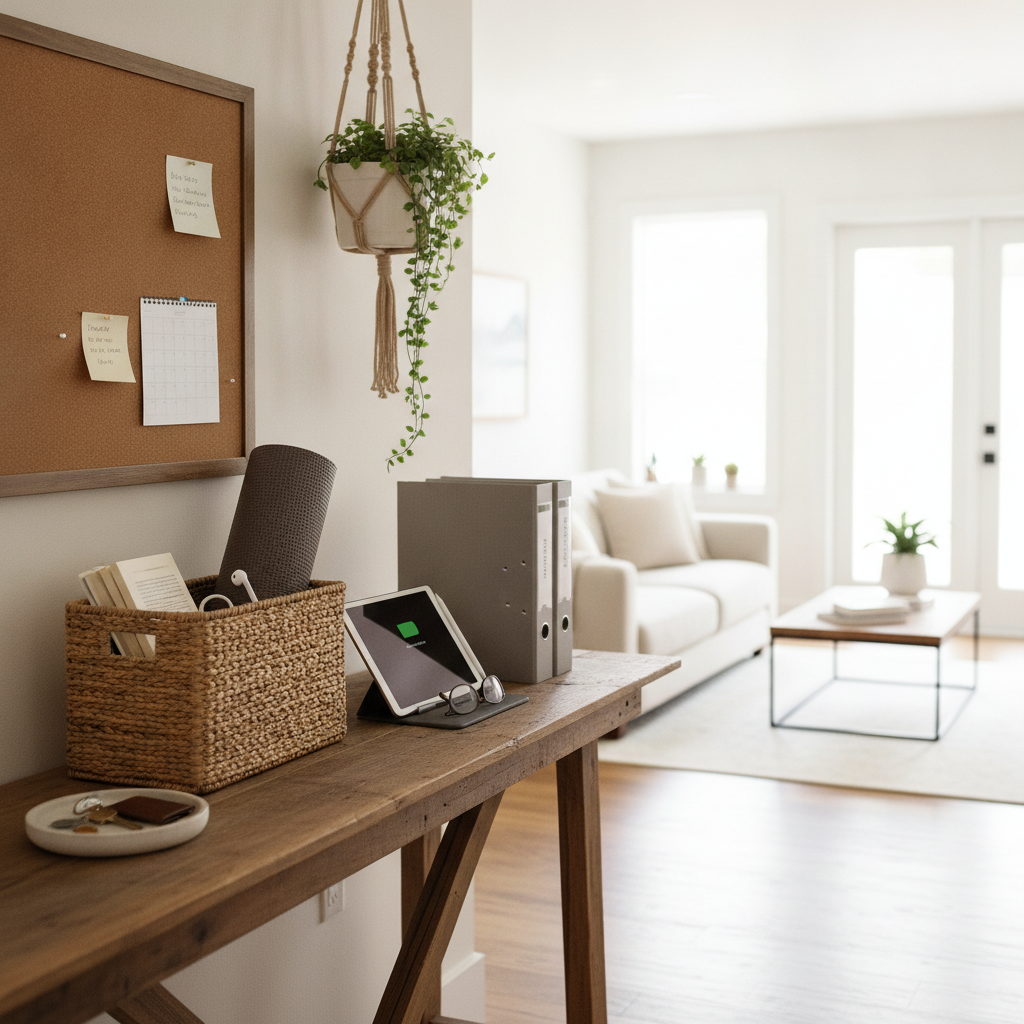
How Designating a Single 'Landing Zone' for Unfinished Tasks Prevents Mental Clutter From Spreading Through Your Entire Home
A single designated landing zone for unfinished tasks gives loose ends a physical home — stopping mental clutter from quietly spreading through every room in your house.
By Chris Martinez | Jul 26, 2026

How Setting a Recurring Monthly Money Date With Yourself Builds Financial Awareness Without the Anxiety of Constant Tracking
A recurring monthly money date gives you financial clarity without the stress of tracking every transaction in real time — here's how to build one that actually sticks.
By Robert Kim | Jul 23, 2026
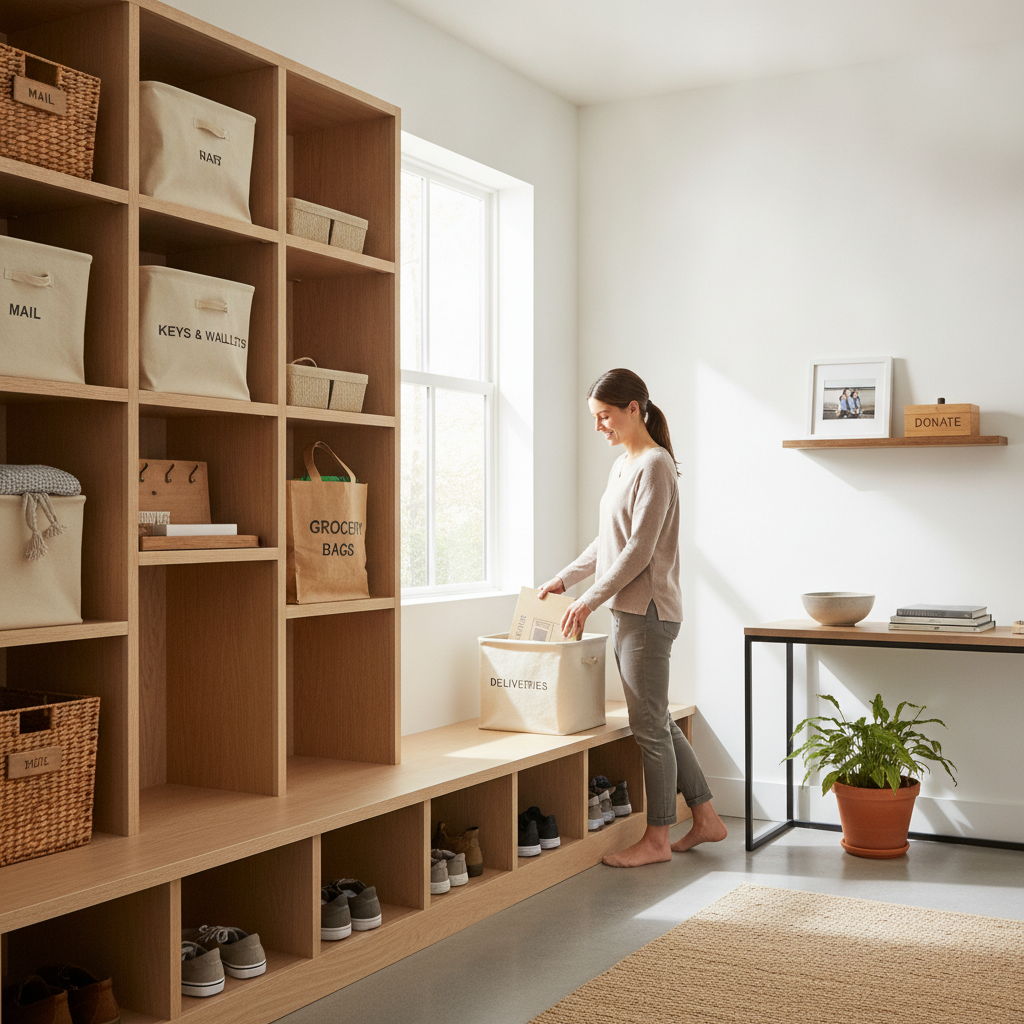
How Assigning a Physical Home for Every Incoming Object Prevents the Slow Accumulation of Household Clutter
Clutter builds slowly when objects don't have a designated place to return to. Assigning a physical home to every incoming item is the most reliable way to prevent accumulation before it starts.
By Robert Kim | Jul 20, 2026

How Anchoring Social Plans to a Fixed Weekly Window Prevents Isolation Without Overloading Your Schedule
A fixed weekly window for social plans removes the friction that makes connection fall through the cracks — offering a simple structural approach to belonging without schedule overload.
By Sarah Mitchell | Jul 17, 2026

How Treating Your Wardrobe as a Capsule System Rather Than a Collection Reduces Daily Decision Fatigue
A wardrobe built as a curated system rather than an open-ended collection removes daily decision fatigue before it starts. Here's how to build one that genuinely works.
By Robert Kim | Jul 14, 2026

How Using a Single Shared Household Changelog Reduces Repeat Conversations and Low-Grade Domestic Tension
A shared household changelog — a simple running log of changes, decisions, and updates — can dramatically reduce the repeat conversations and quiet friction that wear on domestic life. Here's how to make it work.
By Robert Kim | Jul 10, 2026
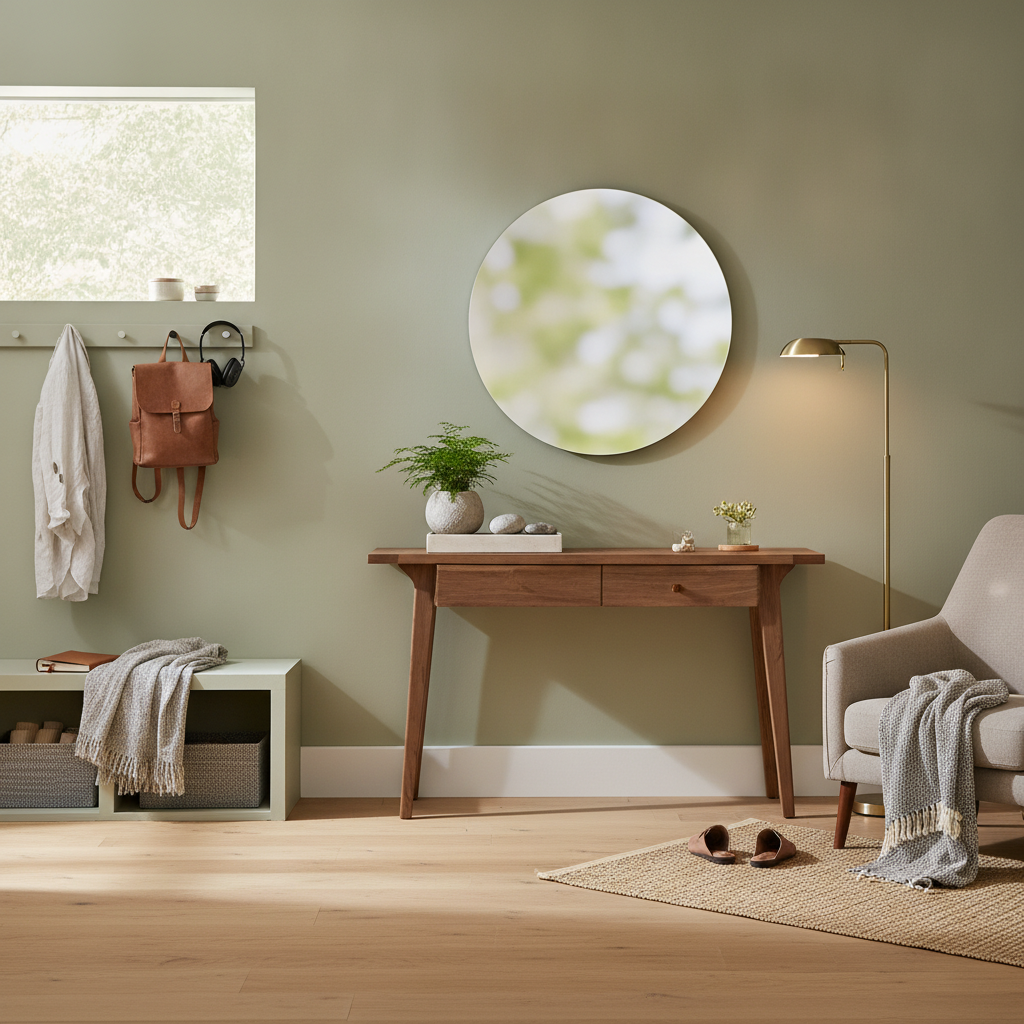
How Designing Your Home's Entry Zone as a Decompression Space Changes How You Transition Out of Work Mode
Your home's entry zone can do more than hold your keys — it can serve as a genuine mental reset between work and personal life. Here's how to design it with intention.
By Chris Martinez | Jul 07, 2026
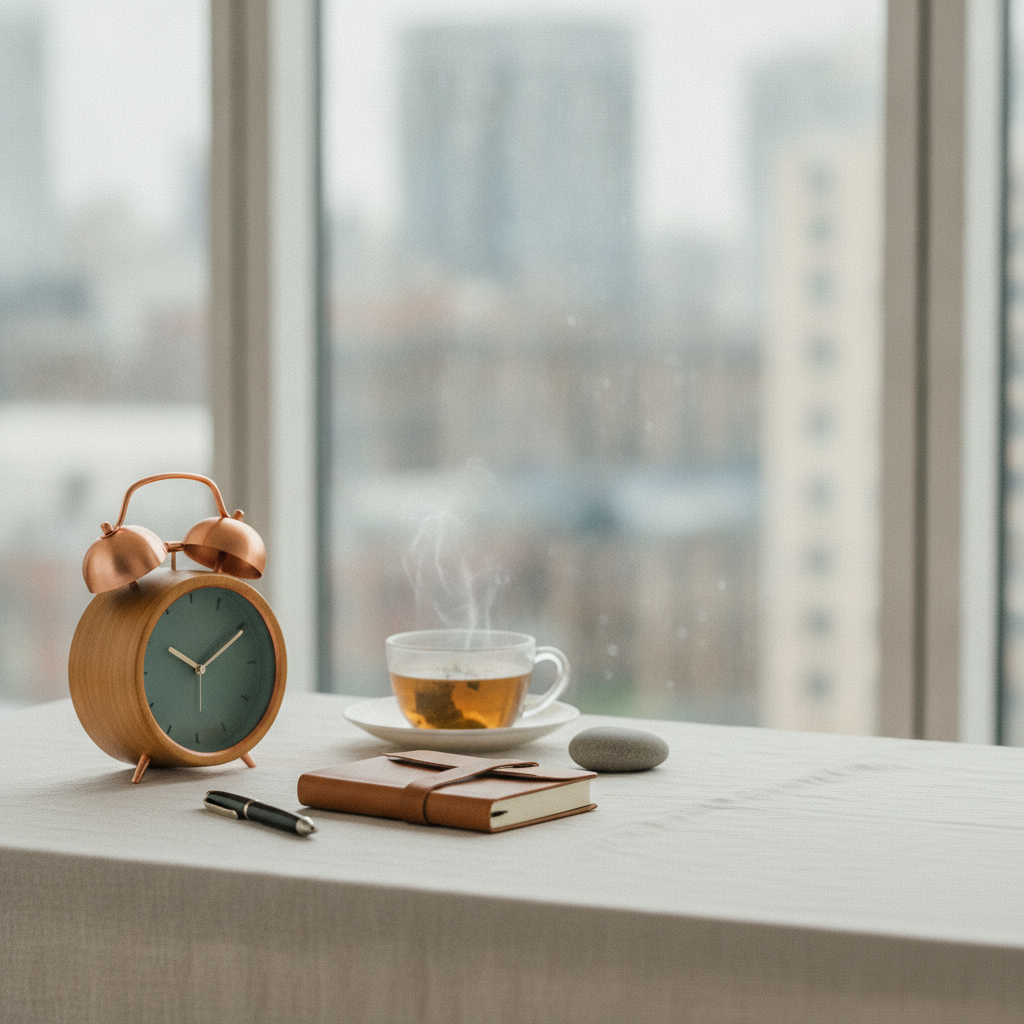
How Building a 'Minimum Viable Morning' Routine Protects Your Energy on Chaotic Days
A minimum viable morning routine isn't about doing more — it's about protecting the small anchors that keep your energy and focus intact when the day gets chaotic before it's even started.
By Emily Rodriguez | Jun 30, 2026
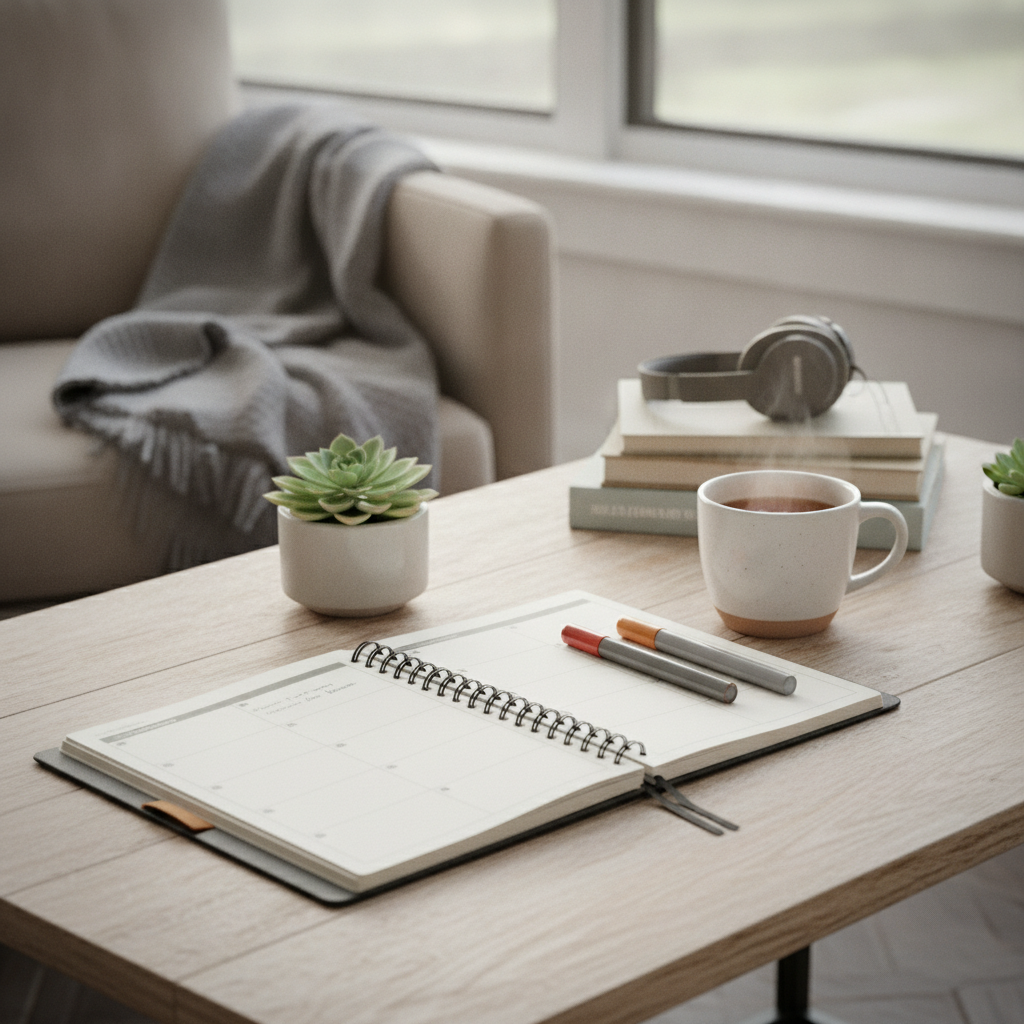
How Designing a Weekly Reset Ritual Can Reduce Decision Fatigue Before It Starts
A weekly reset ritual helps you make key decisions in advance, so you're not burning through mental energy every time Monday arrives. Here's how to build one that actually sticks.
By Emily Rodriguez | Jun 28, 2026

Relaxation Rituals Worldwide: How Different Countries Unwind and Recharge”
By Julian Styles | Feb 25, 2026

Work-Life Balance Worldwide: What Scandinavia, Asia, and the U.S. Do Differently
By Aiden Reese | Feb 23, 2026

Nightlife Norms in Global Hotspots: What Going Out Looks Like in Berlin, Seoul, and Rio
By Julian Styles | Feb 22, 2026

Fashion Identity Around the World: How Local Culture Shapes Style in Major Destinations
By Ethan Sawyer | Feb 22, 2026

How Dining Culture Varies Across Famous Cities: From Street Food to White-Tablecloth Traditions
By Ethan Sawyer | Feb 15, 2026

Housing and Home Design: How Living Spaces Reflect Culture in Popular Countries”
By Lena Grant | Feb 07, 2026

Public Transportation Cultures Compared: What Makes Transit Systems Feel So Different?
By Lena Grant | Jan 30, 2026

Greeting Etiquette Around the World: How First Impressions Differ Between Cultures
By Aiden Reese | Jan 25, 2026