Nightlife is one of the most vivid ways to experience a city’s culture. It reflects local traditions, social values, and even the rhythm of daily life. While bars, clubs, and late-night eateries exist in almost every city, the atmosphere, etiquette, and timing of nightlife vary drastically from one destination to another. Berlin, Seoul, and Rio de Janeiro are three cities that exemplify these differences, offering unique experiences that go far beyond just music and drinks.
Berlin: The Capital of Club Culture
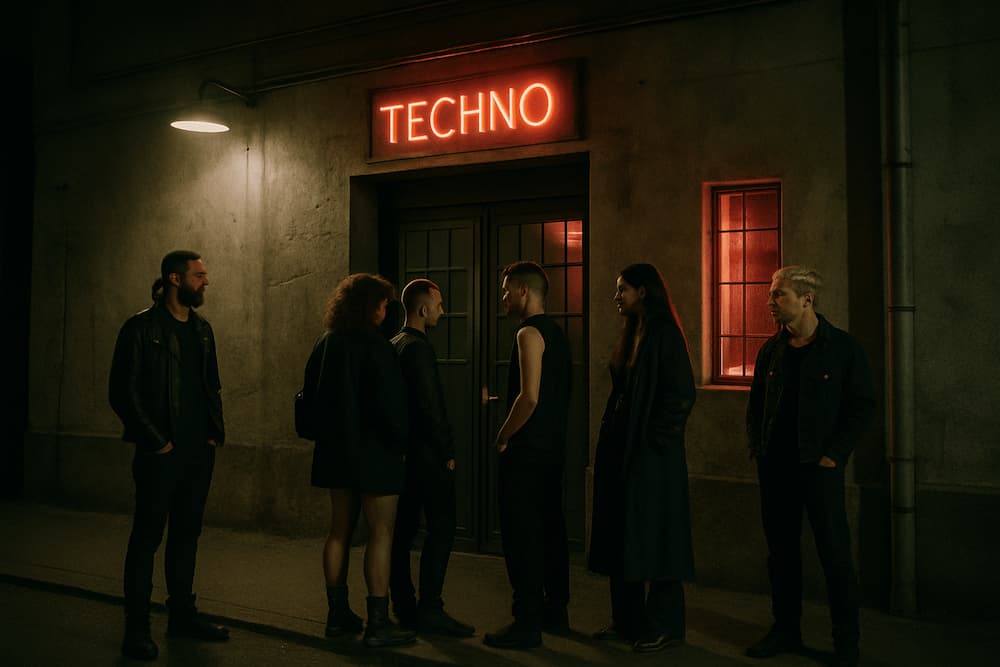
Berlin is globally renowned for its electronic music scene, legendary nightclubs, and open-minded party culture. Unlike cities where nightlife has strict opening hours, Berlin’s clubs often operate on marathon schedules. Many iconic venues, such as Berghain and Sisyphos, open late in the evening and stay alive well into the next day, attracting both locals and travelers seeking a non-stop experience.
The Berlin nightlife culture prioritizes music, freedom of expression, and community over status or appearance. Lines outside clubs may be unpredictable, as door policies are notoriously selective. Inside, however, the focus is on the music, dancing, and enjoying an inclusive environment. Costumes, eclectic outfits, or casual attire are all welcome, reflecting the city’s creative and tolerant mindset.
One notable aspect of Berlin’s nightlife is its late start. Unlike many cities where people head out around 9 or 10 PM, in Berlin, it’s common to arrive at a club after midnight or even 2 AM. This staggered timeline allows for a slower, more immersive evening where the night evolves organically. Street-side bars and casual pubs are perfect warm-ups, where conversations and small gatherings help transition into the high-energy club experience later on.
Seoul: A Blend of Modernity and Tradition
Seoul’s nightlife is a dynamic fusion of modern entertainment and traditional social practices. The city is famous for its “noraebang” (karaoke rooms), lively pubs, and high-tech clubs that often feature elaborate lighting, holograms, and DJ performances. Seoulites approach nightlife as a social ritual, blending drinking, singing, and social bonding in a structured yet energetic way.
One of the defining features of Seoul’s nightlife is the concept of after-hours dining and drinking, known locally as “hof” culture. After work, groups of friends or colleagues often gather in small, casual restaurants to enjoy beer or soju paired with fried chicken, grilled meat, or spicy stews. These early gatherings are as much about social cohesion as they are about enjoyment, reflecting South Korea’s strong cultural emphasis on relationships and community.
Karaoke is another cornerstone of Seoul’s night culture. Unlike the Western tradition of large clubs with thousands of dancers, noraebang offers intimate rooms for small groups to sing, bond, and relax. While clubbing is still popular, especially among younger crowds, much of Seoul’s nightlife combines structured social rituals with a touch of modern entertainment technology, creating a hybrid experience that is uniquely Korean.
Rio de Janeiro: The Party Never Stops
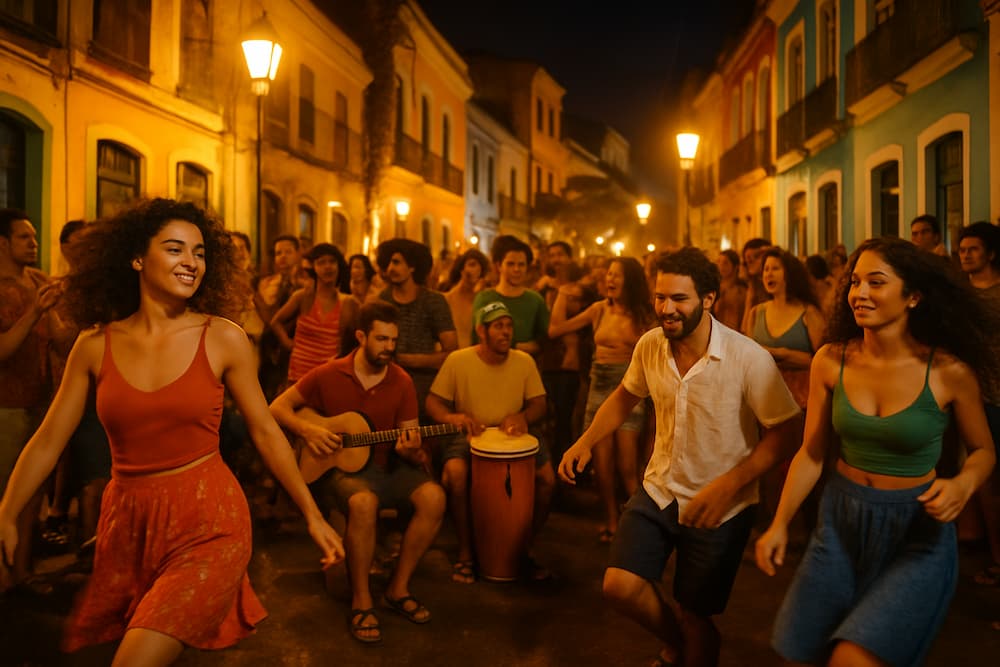
Rio de Janeiro is synonymous with exuberant nightlife and carnival-like energy. Nightlife in Rio is about music, dance, and celebration that often extends from evening into the early morning. Samba clubs, street parties, and beachfront bars provide a diverse palette of experiences, reflecting the city’s vibrant culture and love for communal celebration.
Unlike Berlin, where introspection and music-focused experiences dominate, Rio emphasizes connection and movement. Dancing is central—samba, forró, and funk rhythms encourage participation, and it’s common to see strangers on the dance floor quickly blending into a single, energetic group. Street parties known as “blocos” are seasonal highlights but reflect a year-round tendency for spontaneous, outdoor gatherings with music, food, and drinks.
Timing in Rio is flexible, with nightlife beginning late and extending well past midnight. Many locals follow a two-stage pattern: starting the night with dinner and drinks in smaller bars, then moving on to clubs or street parties. The casual, vibrant approach makes nightlife accessible and inclusive, fostering a sense of celebration in both planned events and impromptu gatherings.
Key Differences Between Berlin, Seoul, and Rio
While all three cities boast lively nightlife, they differ in timing, purpose, and cultural norms. Berlin prioritizes music, creative expression, and long, unstructured nights. Social status is secondary to participation, and the late-night schedule encourages a sense of freedom. Seoul combines modern club culture with structured social rituals, emphasizing bonding, tradition, and smaller group interactions. Rio emphasizes communal celebration, music, and dance, making the party a collective experience where energy and joy are shared widely.
Another key distinction is drinking culture. In Berlin, alcohol is often secondary to the music and dancing experience, with clubs providing long nights to socialize and enjoy beats. Seoul integrates alcohol deeply into social interactions, with rituals, toasts, and specific etiquette guiding consumption. In Rio, alcohol blends seamlessly with music and street life, contributing to a carefree, celebratory atmosphere rather than formalized rituals.
Experiencing Nightlife Globally
For travelers seeking nightlife experiences, understanding these cultural nuances is crucial. In Berlin, pacing yourself and embracing the late-night timing is key to fully enjoying club culture. In Seoul, participating in local rituals—sharing drinks, enjoying noraebang, and respecting social norms—enhances the experience. In Rio, letting go, moving with the rhythm, and engaging in communal celebration captures the city’s essence.
Nightlife is more than entertainment—it’s a reflection of the local culture, social norms, and lifestyle priorities. Berlin, Seoul, and Rio each offer unique perspectives on how societies socialize, celebrate, and unwind. For travelers, embracing these differences not only makes for memorable nights but also provides insight into broader cultural values and ways of life.
Berlin, Seoul, and Rio demonstrate that nightlife is a window into culture. Whether you’re exploring the marathon club nights of Berlin, the structured yet vibrant social rituals of Seoul, or the rhythmic, dance-filled streets of Rio, each city offers a unique nightlife experience. Understanding the norms, timing, and social expectations of each place can transform your nights into cultural adventures, leaving you with memories that extend far beyond music and drinks. Nightlife is a living, breathing aspect of local life, and by participating respectfully and enthusiastically, travelers gain a deeper connection to the cities they visit.