In a world where busy schedules, long workdays, and constant digital stimulation can drain energy, many people reach for coffee, energy drinks, or sugar-laden snacks to keep going. While these quick fixes provide temporary stimulation, they often lead to crashes, jitters, and long-term health consequences. A better approach is to harness the power of nature—foods and herbs that enhance energy levels, improve focus, and sustain vitality throughout the day. These natural boosters nourish the body, support metabolic function, and provide a steady, balanced source of energy.
Unlike caffeine or artificial stimulants, natural energy-boosting foods work gradually and holistically. They supply essential vitamins, minerals, and antioxidants while supporting stable blood sugar, healthy circulation, and optimal hormone balance. Over time, integrating these foods into your diet can lead to more sustained energy, improved mental clarity, and a heightened sense of well-being.
Whole Foods for Lasting Energy
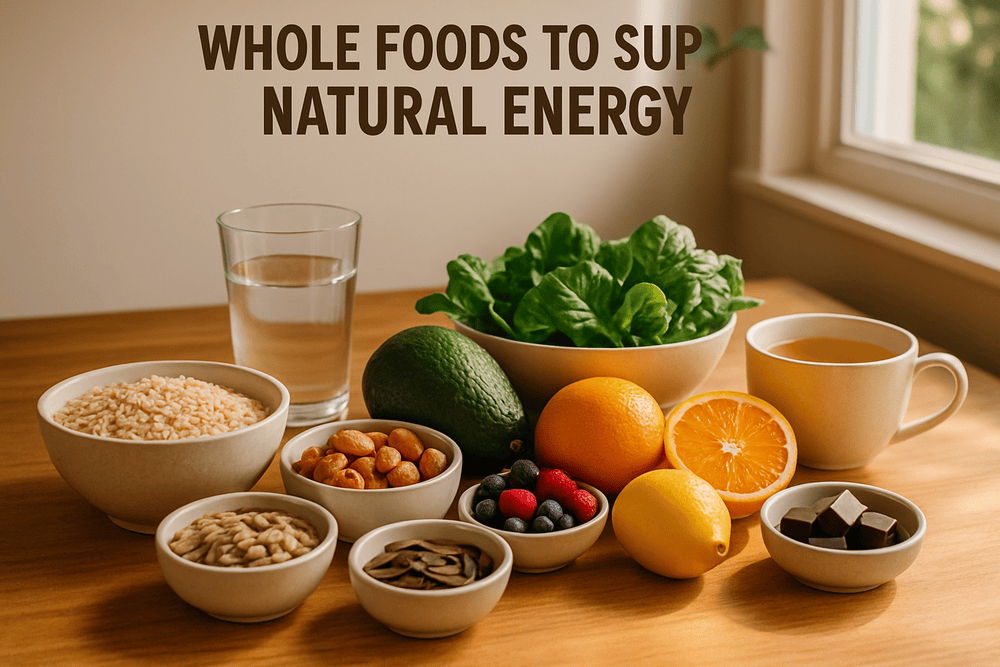
The foundation of natural energy starts with whole foods. Nutrient-dense, minimally processed foods provide the building blocks your body needs for cellular energy production. Complex carbohydrates, for instance, release glucose slowly, keeping blood sugar levels steady and preventing the peaks and crashes associated with refined sugars. Foods like oats, quinoa, sweet potatoes, and brown rice provide long-lasting fuel for both the brain and muscles.
Protein-rich foods also play a vital role in maintaining energy. Lean meats, eggs, legumes, and nuts supply amino acids that help sustain muscle function, support hormone regulation, and prevent fatigue. Combining protein with complex carbohydrates creates a balanced meal that maintains steady energy over several hours.
Healthy fats should not be overlooked. Nuts, seeds, avocado, and fatty fish like salmon or mackerel provide omega-3 fatty acids, which support brain function and reduce inflammation. Chronic inflammation can contribute to fatigue, so anti-inflammatory foods are a critical component of natural energy enhancement.
The Role of Vitamins and Minerals
Micronutrients—vitamins and minerals—are essential for converting food into usable energy. Iron, for example, is crucial for transporting oxygen throughout the body. A deficiency can lead to fatigue and decreased endurance. Leafy greens, lentils, beans, and lean red meats are excellent sources of iron. Pairing plant-based iron sources with vitamin C-rich foods like citrus fruits, bell peppers, or strawberries enhances absorption.
Magnesium is another mineral vital for energy metabolism, supporting hundreds of enzymatic reactions in the body, including those involved in converting food to ATP—the cellular currency of energy. Nuts, seeds, whole grains, and dark chocolate are rich in magnesium. Adequate intake helps reduce muscle fatigue and promotes overall vitality.
B-vitamins, particularly B12 and B6, are also important. These vitamins aid in the production of red blood cells and the metabolism of carbohydrates, proteins, and fats. Foods like eggs, fish, poultry, fortified cereals, and leafy greens can help ensure your B-vitamin intake supports daily energy demands.

Herbs and Natural Adaptogens
Beyond whole foods, certain herbs and natural adaptogens can significantly enhance energy and resilience. Adaptogens are plants that help the body adapt to stress and maintain balance, which can prevent energy depletion during demanding periods.
Ginseng, especially Panax ginseng, has been used for centuries to combat fatigue and improve physical performance. Research suggests it may increase endurance, enhance mental clarity, and reduce the perception of tiredness. It can be consumed as a tea, capsule, or tincture depending on preference.
Rhodiola rosea is another adaptogen known for its ability to support mental and physical performance. It has been shown to improve focus, reduce stress-induced fatigue, and increase stamina during prolonged activities. Adding Rhodiola as a supplement or tea can provide subtle but noticeable boosts in daily energy.
Ashwagandha, a traditional Ayurvedic herb, supports adrenal function and helps balance stress hormones. By regulating cortisol levels, Ashwagandha can reduce fatigue, improve sleep quality, and enhance overall vitality. Its calming yet energizing effects make it particularly beneficial for people with high-stress lifestyles.
Other herbs, such as ginger and turmeric, offer energy-boosting benefits by improving circulation and reducing inflammation. Better blood flow ensures oxygen and nutrients reach muscles and brain tissue efficiently, enhancing both physical and cognitive energy.
Hydration and Natural Stimulants
Energy isn’t just about calories and nutrients—it’s also about hydration. Dehydration, even mild, can cause fatigue, reduced concentration, and sluggishness. Water should be your first priority, but herbal teas, coconut water, and naturally flavored infusions can provide additional electrolytes and minerals to maintain energy levels.
Green tea deserves special mention. It contains a moderate amount of caffeine, combined with L-theanine, an amino acid that promotes alertness without the jitters. This combination provides a smoother, longer-lasting energy lift than coffee, making it ideal for sustained focus during work or study.
Incorporating Natural Energy Boosters Into Daily Life
The key to harnessing natural energy boosters is consistency. A few strategies include:
- Start the day with a breakfast that combines complex carbohydrates, protein, and healthy fats, such as oatmeal with nuts and fruit or eggs with avocado and whole-grain toast.
- Integrate adaptogens and herbs like ginseng, Rhodiola, or Ashwagandha through teas or supplements, especially during high-stress days.
- Snack on energy-supporting foods like almonds, pumpkin seeds, or fruit instead of sugary snacks.
- Prioritize hydration throughout the day to maintain optimal energy production.
- Incorporate anti-inflammatory spices like turmeric or ginger into meals for both flavor and sustained vitality.
By consistently choosing foods and herbs that support natural energy, you reduce reliance on caffeine or processed stimulants, and your body becomes more resilient over time. The goal is not just to feel awake, but to maintain consistent vitality, mental clarity, and physical endurance throughout the day.
Nature provides an abundance of resources to support energy and vitality. Whole foods rich in complex carbohydrates, protein, and healthy fats supply the foundation for sustained physical energy. Essential vitamins and minerals like iron, magnesium, and B-vitamins support metabolic processes, while herbs and adaptogens such as ginseng, Rhodiola, and Ashwagandha help the body cope with stress and maintain consistent energy levels. Combined with proper hydration and mindful lifestyle habits, these natural boosters can transform how you feel, work, and move through your day.
Unlike quick fixes like energy drinks or excessive caffeine, natural energy boosters create lasting effects. They nourish your body, improve resilience, and allow you to maintain high performance without the crashes or side effects of artificial stimulants. By incorporating these foods and herbs into your daily routine, you embrace a holistic, sustainable approach to energy—one that enhances both your physical vitality and overall well-being.