When people think of theme parks, the mind often jumps to massive American parks like Disneyland in California or Disney World in Florida. While these parks are undeniably impressive, Europe offers a very different theme park experience—one that blends history, culture, art, and innovation in ways that American parks rarely do. European theme parks are not only about thrills and rides; they reflect local traditions, architectural styles, and regional storytelling that create a distinct charm unlike anywhere else in the world.
A Blend of Culture and Entertainment
One of the defining characteristics of European theme parks is their seamless integration of culture into the visitor experience. In the U.S., many parks focus heavily on fantasy worlds and blockbuster franchises, while European parks often emphasize storytelling grounded in local myths, fairy tales, and historical events. For instance, parks in Germany, France, and Scandinavia feature attractions inspired by folklore, medieval legends, and classic literature. Visitors don’t just ride a roller coaster—they step into a narrative that reflects centuries of regional history.
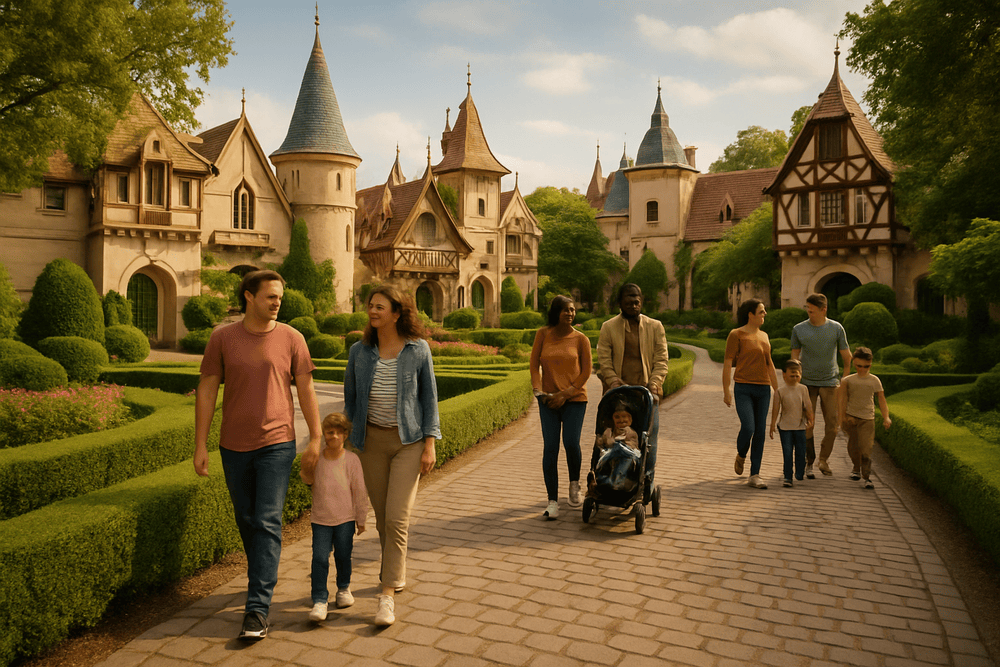
Efteling in the Netherlands is a perfect example. It combines fairytale storytelling with elaborate architecture, lush gardens, and immersive rides. Unlike parks designed purely for thrill-seekers, Efteling is a place where adults and children alike can appreciate the artistry, the attention to detail, and the rich storytelling woven into every corner. The focus is as much on ambiance and cultural immersion as it is on adrenaline.
Architectural Elegance and Scenic Design
European theme parks often distinguish themselves through their architectural elegance and scenic design. While American parks tend to favor large-scale, bold structures optimized for high capacity, European parks take a more refined approach. Buildings are crafted with attention to historical accuracy, craftsmanship, and aesthetic cohesion. Streetscapes are often cobblestoned, lined with charming façades, and designed to transport visitors to another era or locale.
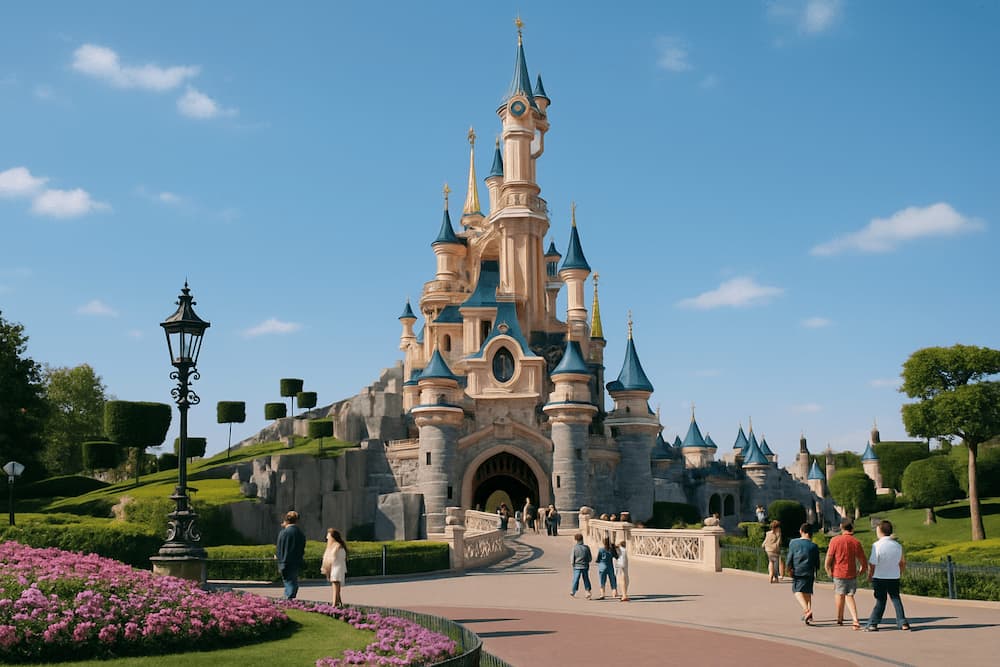
For example, Disneyland Paris combines classic Disney magic with French architectural nuances. The castle, Main Street, and surrounding areas feature design influences reminiscent of European towns and palaces, giving the park a sense of authenticity and romance that differs from its American counterparts. Similarly, Tivoli Gardens in Copenhagen integrates Victorian-inspired architecture and meticulously curated gardens, making a stroll through the park feel like a walk through a historical postcard rather than a modern amusement facility.
A Focus on Family-Friendly Experiences
While European theme parks certainly offer roller coasters and thrill rides, there is often a stronger emphasis on family-friendly experiences and gentle entertainment. The parks are designed to cater to multiple age groups simultaneously, with spaces for relaxation, storytelling, and interactive experiences. This inclusivity reflects a broader cultural approach in Europe, where entertainment spaces are crafted for social interaction and communal enjoyment rather than purely for thrill.
Many parks incorporate shows, parades, and live performances that draw from music, theater, and dance. Visitors can engage with characters, watch acrobatic displays, or attend workshops that teach skills like medieval swordplay or artistic crafts. These experiences provide variety and depth, making a visit to a European theme park a more balanced and memorable outing than simply riding attractions.
Integration With Local Landscapes
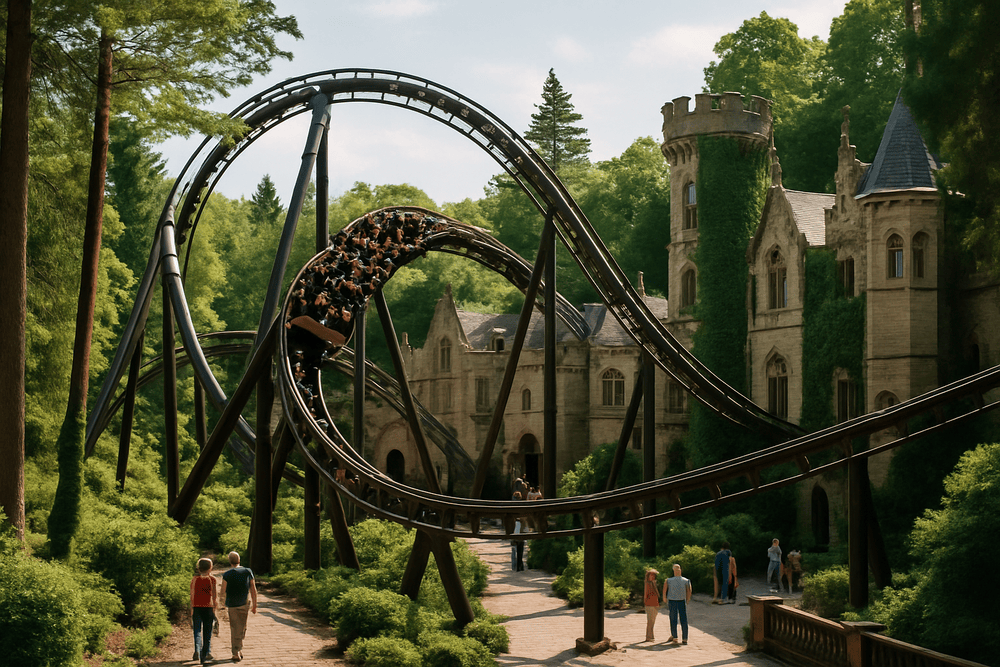
European parks frequently take advantage of their natural surroundings to enhance the visitor experience. Instead of leveling large areas of land, parks often adapt to existing landscapes, integrating forests, rivers, lakes, and hills into their design. This approach not only adds visual beauty but also creates a unique atmosphere that differs from the more artificially constructed environments common in North American parks.
For instance, Alton Towers in the UK is built within a former estate and uses the natural terrain to create dramatic drops, scenic pathways, and hidden gardens. The park feels like a natural extension of the landscape, where rides and attractions are harmoniously embedded into the surroundings. Similarly, parks in Switzerland or Austria often leverage mountainous backdrops or lakes to enhance the immersive quality of the experience.
Seasonal and Cultural Celebrations
Another feature that makes European theme parks unique is their focus on seasonal events and cultural celebrations. Parks often transform during holidays, incorporating Christmas markets, Halloween festivities, or national celebrations that reflect local customs. These seasonal experiences are designed to create a sense of community and celebration, allowing visitors to experience both the park and the cultural rhythms of the region.
For example, Europa-Park in Germany hosts elaborate seasonal events where themed areas, food stalls, and performances reflect regional traditions. From Bavarian music and cuisine to Spanish flamenco shows, visitors encounter a rich tapestry of European culture that enhances the park’s identity beyond the rides themselves.
A Different Approach to Thrills and Innovation
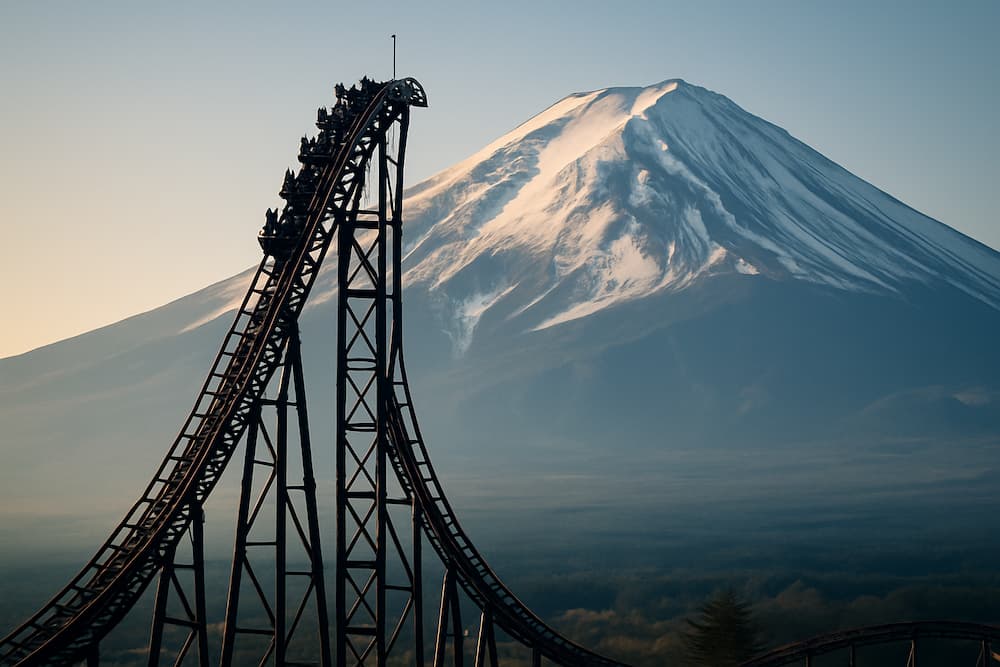
While European parks may prioritize storytelling, architecture, and family experiences, they are by no means lacking in innovation or thrills. Many European parks feature cutting-edge ride technology, immersive dark rides, and interactive experiences that rival the best in the world. The difference lies in how these thrills are integrated. Rather than dominating the park, high-intensity rides are carefully balanced with immersive environments, cultural storytelling, and aesthetic design, creating a well-rounded experience.
European theme parks stand out because they are more than just entertainment venues—they are cultural experiences. They combine immersive storytelling, architectural elegance, thoughtful design, and natural landscapes with attractions that appeal to both thrill-seekers and families. Seasonal celebrations, local folklore, and historical influences enrich the visitor experience, creating a sense of charm, authenticity, and depth that is difficult to replicate elsewhere.
Visiting a European theme park is not just about rides; it is about stepping into a story, exploring a landscape, and experiencing a culture in miniature. For travelers seeking a park experience that is immersive, aesthetically pleasing, and culturally meaningful, Europe offers a collection of destinations that are as enchanting as they are exhilarating. From the fairytale forests of the Netherlands to the Victorian elegance of Denmark, and from French-inspired castles to mountainous thrill rides in the UK, European theme parks offer a unique journey that captures the imagination and leaves a lasting impression long after the day is done.