Good gut health is at the foundation of overall wellness. Beyond digestion, a well-functioning gut influences immunity, mood, energy levels, and even cognitive function. Many people turn to supplements, probiotics, or over-the-counter remedies to support digestion, but the truth is that your body has remarkable natural ways to maintain and improve gut health. By adopting simple lifestyle and dietary habits, you can enhance digestion, reduce discomfort, and cultivate a thriving microbiome without relying on external pills or powders.
Understanding Gut Health
The term “gut” encompasses more than just the stomach; it refers to the entire digestive tract, including the small and large intestines. This system is home to trillions of microorganisms, collectively known as the gut microbiota. These bacteria play a crucial role in breaking down food, synthesizing vitamins, regulating metabolism, and protecting against harmful pathogens. When the balance of gut bacteria is disrupted—through poor diet, stress, lack of sleep, or antibiotics—digestive issues such as bloating, constipation, diarrhea, or indigestion can arise.
Supporting your gut naturally involves creating an environment where beneficial bacteria can thrive while promoting smooth and efficient digestion. The focus is on whole foods, mindful habits, and practices that reduce inflammation and stress in the digestive tract.
The Role of Diet in Gut Health
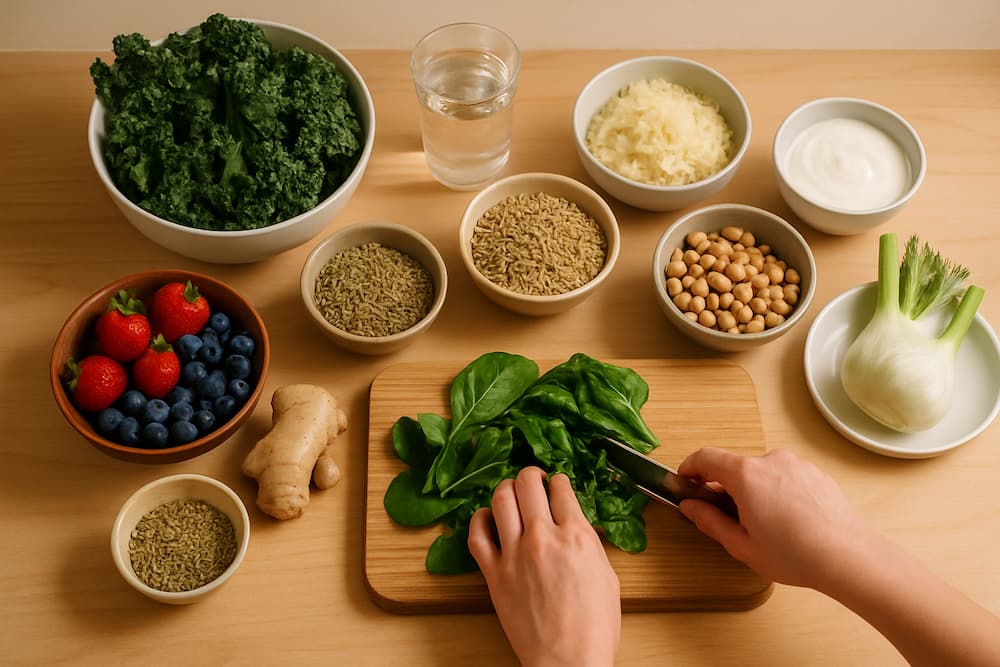
Diet is the cornerstone of a healthy gut. Foods rich in fiber, natural prebiotics, and water content are particularly beneficial. Whole grains, legumes, fruits, and vegetables provide the fiber needed to feed good bacteria and support regular bowel movements. Leafy greens, berries, and cruciferous vegetables like broccoli and cauliflower not only add fiber but also contain antioxidants that protect intestinal cells from damage.
In addition to fiber, naturally fermented foods can enhance gut function without the need for supplements. Foods such as plain yogurt, kefir, sauerkraut, kimchi, miso, and kombucha contain live cultures that introduce beneficial bacteria into the digestive system. Regularly incorporating these foods can improve digestion, reduce bloating, and support immune health.
Hydration is another critical factor. Adequate water intake helps move food through the digestive tract, prevents constipation, and aids in nutrient absorption. Herbal teas like ginger or peppermint can also soothe the digestive system and reduce discomfort after meals.
Mindful Eating Practices
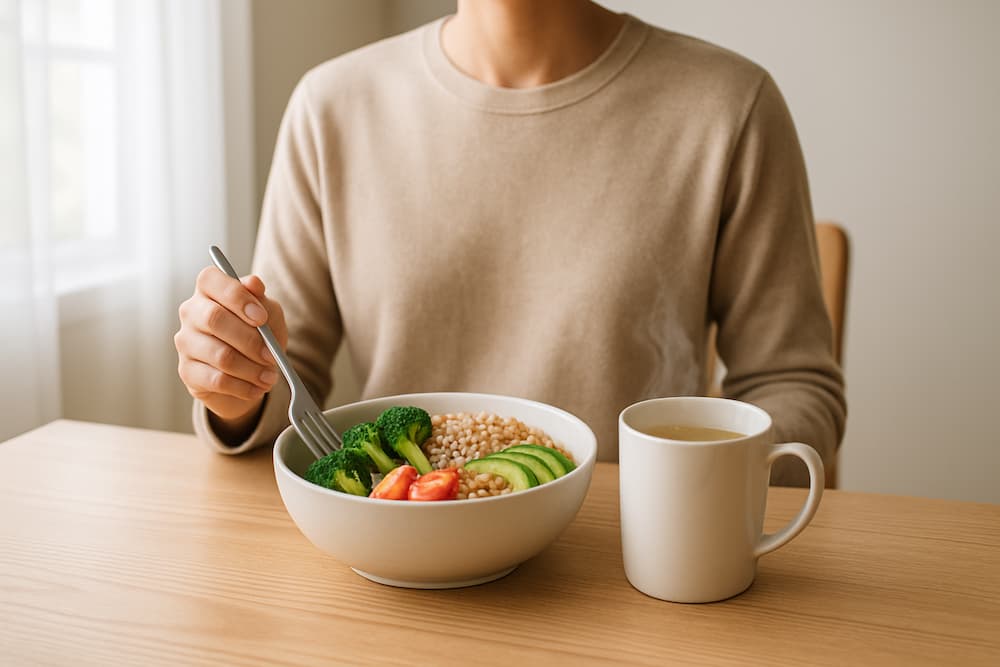
How you eat can be just as important as what you eat. Mindful eating encourages awareness of hunger, fullness, and the process of digestion itself. Eating slowly and chewing food thoroughly reduces the workload on your stomach, allowing enzymes to break down food more efficiently. This simple practice often reduces bloating and gas while improving nutrient absorption.
Regular meal timing also helps regulate digestive function. Skipping meals or eating erratically can disrupt the natural rhythm of the digestive system, leading to indigestion or irregular bowel movements. Establishing a consistent eating schedule supports your gut’s circadian rhythm and overall health.
Physical Activity and Movement
Exercise plays a powerful role in supporting gut health. Physical activity stimulates intestinal contractions, helping food and waste move efficiently through the digestive tract. Moderate-intensity activities like walking, yoga, swimming, or cycling are particularly effective in improving bowel regularity and reducing bloating.
Certain yoga poses, such as twists and forward bends, specifically target the digestive organs, stimulating circulation and promoting natural detoxification. Incorporating movement into your daily routine not only aids digestion but also reduces stress, which has a direct impact on gut function.
Stress Management
Stress is a silent disruptor of gut health. The digestive system is highly responsive to the nervous system, and chronic stress can lead to imbalances in gut bacteria, slower digestion, and increased inflammation. Simple stress management practices can have a profound effect on digestion. Deep breathing exercises, meditation, and mindfulness practices calm the nervous system and help restore balance to the gut.
Even lifestyle adjustments, such as taking short breaks during work, spending time outdoors, or engaging in hobbies, can reduce stress and support digestive health. Sleep quality is also essential; inadequate rest negatively affects the gut microbiome and the body’s ability to digest food efficiently.
Natural Digestive Aids
Certain foods and habits act as gentle digestive aids. Ginger, for instance, promotes the movement of food through the stomach and can relieve nausea or bloating. Peppermint helps relax intestinal muscles and reduce gas or cramps. Fennel seeds and chamomile tea have traditionally been used to ease digestive discomfort and support overall gut function.
Incorporating small portions of these natural aids into your daily routine—such as drinking ginger tea after meals or adding fresh herbs to dishes—can improve digestion without the need for supplements.
The Importance of Routine and Consistency
Consistency is key to long-term gut health. Small, sustainable changes often have a greater impact than dramatic interventions. Eating a fiber-rich diet, staying hydrated, incorporating fermented foods, practicing mindful eating, moving daily, and managing stress collectively support digestive efficiency and microbial balance. Over time, these habits create a resilient gut capable of handling a variety of foods and environmental challenges without reliance on external products.
Gut health is central to overall wellness, and you don’t need a cupboard full of supplements to support it. By focusing on whole foods, hydration, mindful eating, regular movement, and stress management, you can cultivate a balanced digestive system naturally. Your gut is adaptable and responsive; the choices you make each day—what you eat, how you move, and how you manage stress—directly shape its function.
Taking a holistic, natural approach empowers you to improve digestion, reduce discomfort, and enhance your overall well-being. By incorporating these strategies, your digestive system will not only function more efficiently but will also contribute to stronger immunity, better energy levels, and improved mental clarity. Supporting your gut naturally is a long-term investment in health that pays off in everyday life, without relying on supplements or temporary fixes.