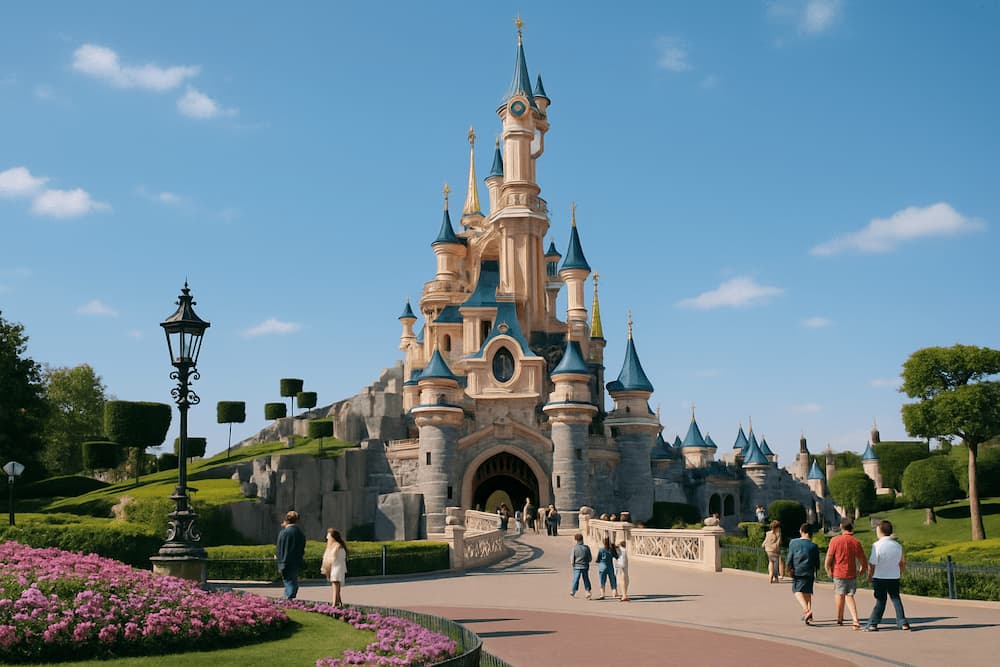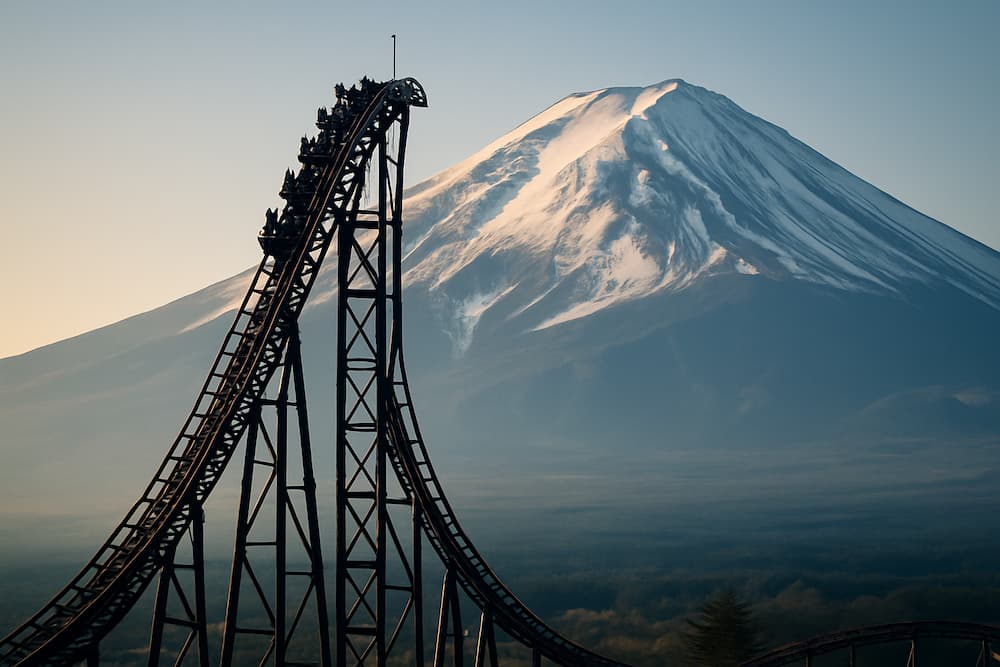
Theme parks are often associated with roller coasters, thrill rides, and entertainment geared toward the masses. However, a growing niche in global travel combines fun with education and cultural immersion: the cultural theme park. These parks offer visitors the chance to explore local traditions, history, cuisine, and art through interactive experiences and attractions. They go beyond the standard amusement park model, providing a unique window into a region’s heritage while delivering the excitement and engagement of a traditional park.
Cultural theme parks are particularly appealing for travelers who want to experience a destination beyond the typical tourist checklist. They provide a blend of storytelling, education, and entertainment, making history and culture tangible. Whether you are walking through a reconstructed village, watching live performances, or participating in craft workshops, cultural theme parks are designed to engage all senses, offering a holistic way to understand a country’s identity.
Asia: Ancient Traditions and Modern Presentation
Asia is home to several cultural theme parks that beautifully merge tradition with interactive experiences. One of the most prominent examples is Window of the World in Shenzhen, China, where visitors can explore miniature replicas of global landmarks alongside performances celebrating Chinese heritage. Beyond sightseeing, the park hosts cultural shows, parades, and seasonal festivals that give travelers a glimpse into local customs, traditional costumes, and music.
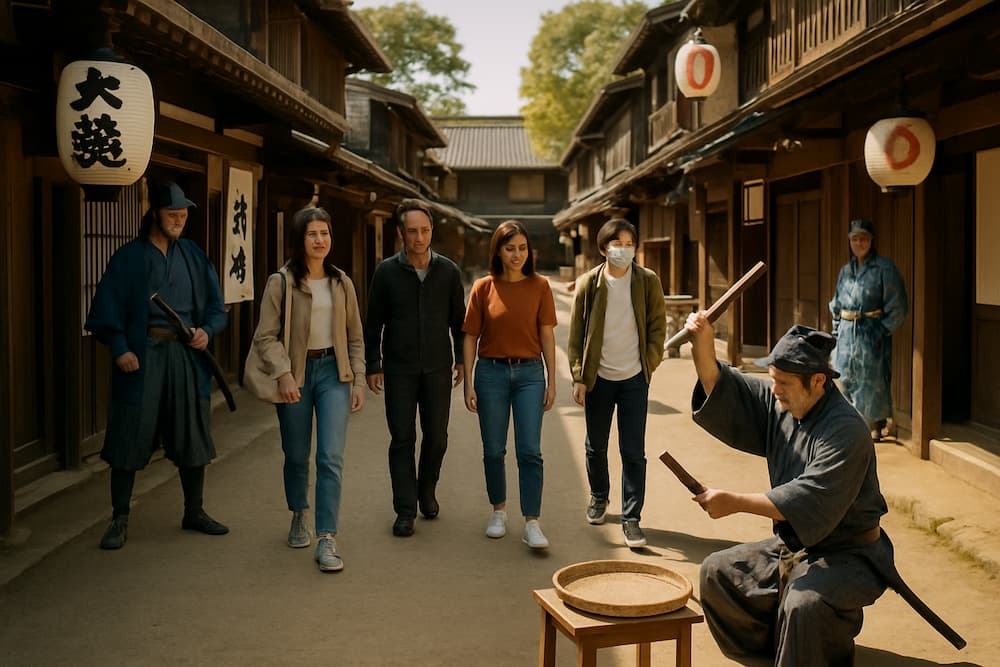
In Japan, parks such as Edo Wonderland in Nikko transport visitors back to the Edo period. Guests can stroll through streets recreated with authentic architecture, participate in samurai and ninja activities, and watch theater performances rooted in historical storytelling. The immersive environment allows visitors to experience history actively rather than passively observing it, making the culture more relatable and memorable.
Europe: Preserving Folklore Through Entertainment
Europe also offers remarkable cultural theme parks that focus on local traditions and historical experiences. In Germany, Legoland Germany incorporates regional themes alongside its family-friendly attractions, while Europa-Park in Rust dedicates entire sections of the park to individual European countries. Visitors can walk through authentic villages, taste traditional foods, and enjoy performances that reflect regional folklore.
France’s Puy du Fou is another standout example. Unlike traditional parks, Puy du Fou focuses almost entirely on historical reenactments and spectacular performances. Guests can witness medieval jousting, Viking invasions, and Renaissance-era celebrations brought to life with extraordinary sets and costumes. The park doesn’t rely heavily on rides, emphasizing storytelling and cultural immersion, which makes it an educational and entertaining experience for all ages.
North America: Experiencing Indigenous and Regional Traditions
North American cultural theme parks tend to highlight indigenous cultures and regional history. In the United States, parks such as Heritage Square in Pennsylvania and Old World Wisconsin allow visitors to experience 19th-century European immigrant life. Guests can participate in traditional crafts, watch blacksmithing demonstrations, or sample authentic period recipes. These parks emphasize hands-on learning, helping visitors understand the daily lives and traditions of earlier generations.
Canada’s Upper Canada Village similarly brings history to life. With costumed interpreters, period-accurate buildings, and interactive workshops, visitors can experience rural life in the 1860s. These experiences are not only entertaining but also serve as living classrooms for history, encouraging appreciation for cultural heritage through practical engagement.
Latin America: Celebrating Local Festivals and Folklore
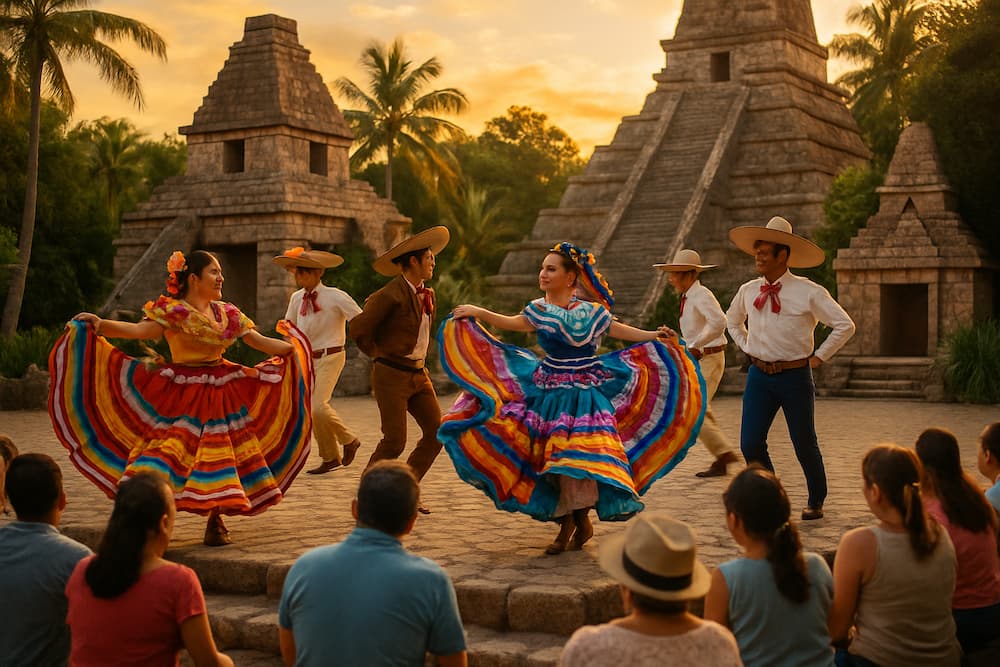
Latin America is rich in cultural parks that showcase the region’s vibrant traditions. In Mexico, Xcaret Park blends natural beauty with cultural experiences. Visitors can explore Mayan ruins, participate in traditional dances, and enjoy performances that celebrate Mexican folklore and regional music. The park also emphasizes local cuisine, allowing guests to taste authentic dishes prepared with traditional methods.
Brazil’s Olímpia Thermas & Cultural Village combines recreation with cultural education. Beyond water parks and amusement rides, the park hosts events highlighting indigenous traditions, local crafts, and regional music, giving travelers a full-spectrum experience that is both entertaining and culturally enriching.
Why Cultural Theme Parks Matter
Cultural theme parks offer several advantages over traditional sightseeing or museum visits. First, they engage visitors physically and emotionally. Instead of reading plaques or listening passively, guests participate in activities that stimulate multiple senses. This hands-on learning fosters a deeper connection to the culture being presented.
Second, these parks preserve and promote local heritage in an accessible format. Many traditional practices, crafts, and performances might otherwise be overlooked or forgotten in modern urban life. By incorporating them into a theme park setting, these traditions gain visibility and relevance for younger generations and international audiences.
Lastly, cultural theme parks encourage empathy and cross-cultural understanding. Experiencing the everyday life, celebrations, and creative expressions of another culture helps visitors appreciate differences and similarities, breaking down stereotypes and fostering a more global perspective.
Tips for Visiting Cultural Theme Parks
When planning a visit to a cultural theme park, consider timing your trip around festivals or seasonal performances. Many parks schedule special events that provide unique insights into local traditions. Additionally, allocate enough time to engage fully with interactive exhibits and workshops. While rides and shows are entertaining, hands-on experiences are where cultural learning often occurs.
Travelers should also take the time to explore on foot and interact with performers or staff. Asking questions, participating in activities, and trying local foods enhances the immersive experience. Lastly, approach the park with curiosity rather than just a checklist mentality; the best cultural theme park visits leave you with lasting memories and deeper appreciation, not just photos of rides.
Cultural theme parks offer a unique way to experience the world. They bridge the gap between education and entertainment, making history, tradition, and local culture accessible, engaging, and memorable. From the streets of Edo-era Japan to the festivals of Mexico, these parks allow visitors to immerse themselves in cultural practices they might never encounter otherwise. Whether you are traveling for fun, education, or a combination of both, cultural theme parks are a valuable and enriching addition to any itinerary, offering an unforgettable opportunity to see, taste, and feel the traditions of the world firsthand.