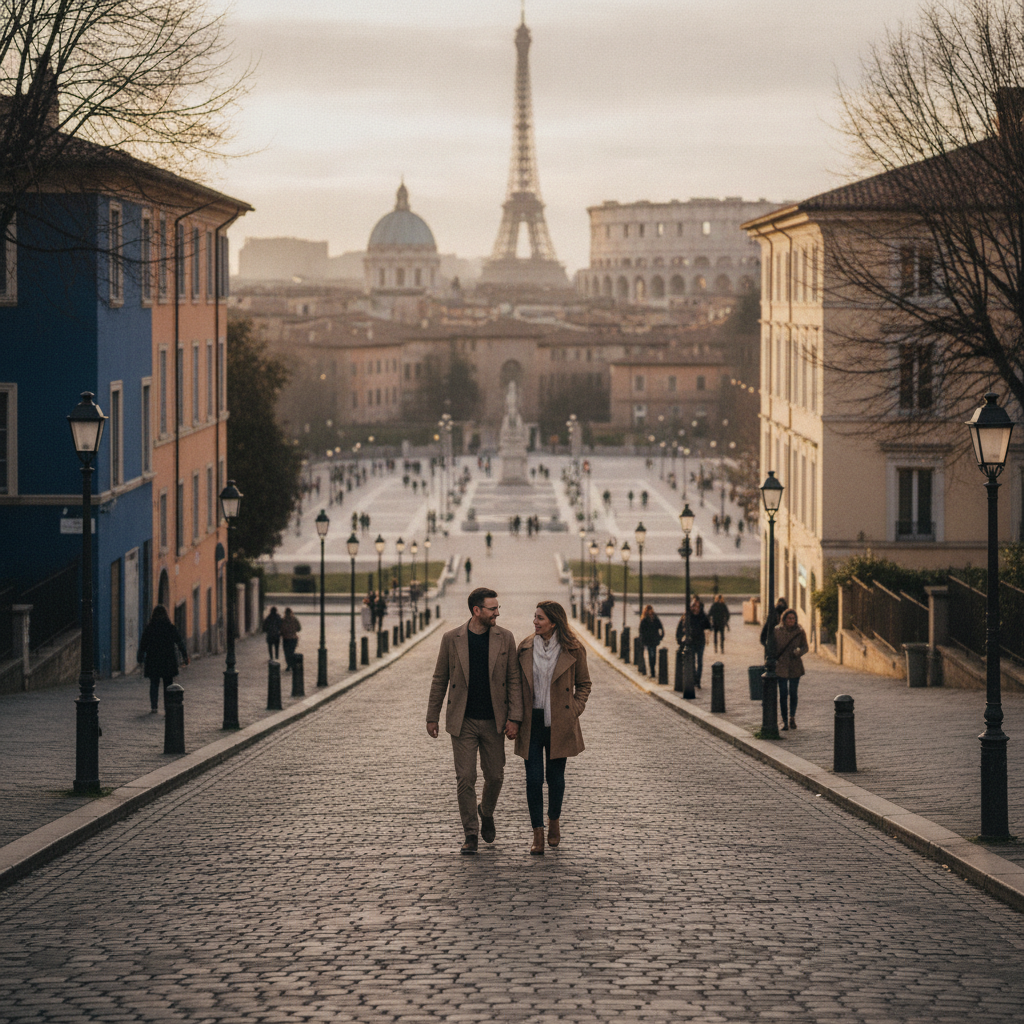
Every traveler has a version of the same story: standing in a queue outside the Uffizi Gallery for two hours, or shuffling through Amsterdam's Rijksmuseum so slowly it feels less like a cultural experience and more like a very slow-moving conveyor belt. Europe's most beloved cities are beloved for a reason — and that reason tends to show up in the form of thousands of other visitors arriving at exactly the same time you do. The good news is that timing, more than almost any other factor, determines whether a trip feels magical or exhausting.
Shoulder season — the weeks that fall between peak summer crowds and the quieter winter months — offers a compelling middle path. Cities are still open, the weather is generally cooperative, and the locals have their streets back. Learning to work with these windows, rather than defaulting to July and August out of habit, can completely transform the kind of travel experience Europe actually delivers.
Understand What Shoulder Season Actually Means
Shoulder season isn't a fixed block on the calendar — it shifts depending on the destination. For most of Western Europe, it lands in April through early June and again in September through October. Southern destinations like Rome, Seville, and the Greek islands tend to run warmer into October, making late autumn particularly appealing. Northern cities like Copenhagen or Edinburgh, meanwhile, can offer genuinely pleasant shoulder windows as early as late March. Knowing the regional nuances matters more than following a generic travel calendar.
Book Flights Around Weekday Arrivals
Airfare and crowd patterns often move together. Weekend arrivals — particularly Friday and Saturday — attract both leisure travelers and those who've timed short city breaks around their work schedule. Flying into a major hub on a Tuesday or Wednesday during shoulder season often means lighter crowds at the airport, smoother transfers, and hotel rates that haven't spiked for the weekend rush. Tools like Google Flights make it straightforward to view fare calendars across a full month, so adjusting arrival days becomes a low-effort way to shave costs and sidestep congestion simultaneously.
Prioritize Timed Entry Reservations Even in Shoulder Season
One of the most persistent misconceptions about shoulder travel is that popular attractions become spontaneously accessible. The Colosseum in Rome, the Sagrada Família in Barcelona, and the Anne Frank House in Amsterdam all operate on timed-entry reservation systems regardless of season. Booking these well in advance — even for a May or October visit — remains essential. What shoulder season actually changes is the breathing room around those reservations: the streets feel quieter, cafes have open tables, and the walk between sites doesn't require navigating a dense crowd.
Lean Into Early Morning and Late Afternoon Hours
Regardless of season, the hours between 10 a.m. and 4 p.m. represent the peak window when most tourists are actively sightseeing. Arriving at major landmarks when they open — often 8 or 9 a.m. — delivers a qualitatively different experience. The light in places like Paris's Marais district or Prague's Old Town is also genuinely beautiful in early morning, with long shadows and empty cobblestones that midday simply doesn't offer. Late afternoon, once the day-trippers have moved on, tends to be equally rewarding, particularly in outdoor spaces and viewpoints.
Choose Neighborhoods Over Postcard Spots
The most visited blocks of any European city carry a disproportionate share of the tourist load. In Lisbon, the area immediately around Belém Tower sees relentless foot traffic, while the Mouraria and Intendente neighborhoods — equally atmospheric and historically rich — remain genuinely local. Structuring itineraries around neighborhood exploration rather than landmark collection allows travelers to experience a city's texture more honestly. Shoulder season amplifies this approach, since fewer visitors are concentrated in the core attractions, and the surrounding streets feel even more like they belong to the city itself.
Use Regional Trains to Time Arrival in Smaller Cities
Some of Europe's most rewarding destinations sit within easy rail distance of the major hubs. Ghent makes an excellent day trip from Brussels, Sintra from Lisbon, and Lucca from Florence. During shoulder season, these secondary cities are particularly pleasant — they attract visitors, but not at the scale of their more famous neighbors. Arriving by late morning on a weekday, spending the bulk of the day, and returning in the early evening allows travelers to experience these places at their most relaxed. Rail apps like Trainline or the national rail booking systems make this kind of spontaneous flexibility practical.
Watch Local Holiday Calendars Carefully
Shoulder season coincides with a number of European public holidays that can briefly transform quiet destinations into unexpectedly busy ones. Italy's Liberation Day in late April, France's Bastille Day in mid-July, and Spain's various regional festivals can concentrate domestic tourism in ways that catch international visitors off guard. Checking local holiday schedules for the specific weeks of a planned trip takes minutes and can prevent the surprise of arriving in an otherwise tranquil city during its busiest local weekend of the season.
Extend Stays Rather Than Rushing Between Cities
The temptation to fit five cities into ten days is understandable, but it tends to work against the advantages that shoulder season offers. Spending four or five nights in a single city allows travelers to settle into daily rhythms — finding the neighborhood café that isn't in any guidebook, timing visits to coincide with quieter hours, and gradually learning how the city actually moves. This slower approach transforms travel from a series of checked boxes into something that actually feels restorative. Shoulder season rewards patience in ways that peak summer, with its compressed itineraries and advance-booked everything, rarely does.
As more travelers become aware of the shoulder season advantage, the windows themselves will likely narrow in some destinations. Popular travel platforms are already surfacing shoulder timing as a formal recommendation, and certain cities — Porto and Ljubljana among them — are beginning to see year-round visitor pressure that would have been unimaginable a decade ago. The strategy still works, and works well, but being specific about both destination and exact travel weeks will matter more with each passing year. The travelers who think carefully about timing — and act on that thinking before booking — are the ones who still manage to find Europe at its most generous.