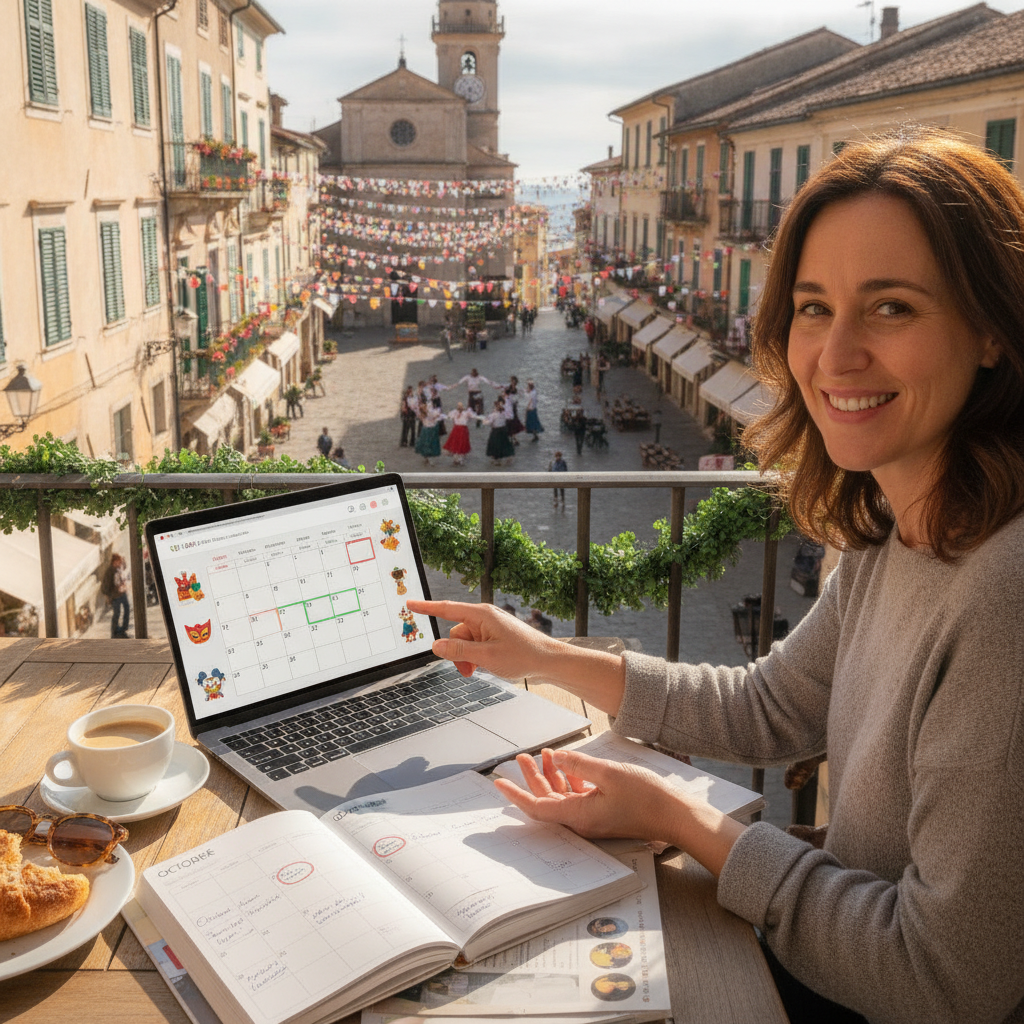
Booking a trip around your own schedule without checking what's happening at the destination is one of the most common and costly planning oversights travelers make. A week that looks perfectly priced on a booking platform can turn into a crowded, expensive, and logistically frustrating experience once you arrive — simply because a national holiday, regional festival, or school break happens to fall in the middle of it. Checking a destination's local calendar before you lock in dates isn't a minor detail. It's one of the highest-leverage moves you can make for both your budget and your experience.
When Local Holidays Drive Up Prices You Didn't Expect
Most travelers know to avoid Christmas week in Paris or New Year's Eve in New York. The less obvious traps are the local public holidays that don't register on international radars — think Japan's Golden Week in late April and early May, Mexico's Semana Santa in spring, or Italy's Ferragosto in August. During these windows, domestic tourists flood popular areas, hotels raise rates significantly, restaurants are booked solid, and some attractions close entirely. If you're booking from abroad and your research stops at flight prices, these weeks can look deceivingly affordable — right up until you arrive.
How School Break Calendars Shift the Crowd Equation
School holidays vary dramatically by country, and even by region within a country. Spain's regional school breaks, for example, don't always align across provinces — meaning a resort town in Catalonia might be packed while one in Andalusia stays quiet during the same week. Checking local school calendars for your destination, not just your home country, gives you a much clearer picture of when families will be traveling. Google's travel search tools and apps like Hopper sometimes surface demand spikes, but they don't explain *why* prices are rising — the school calendar often does.
The Strategic Value of Arriving Just After a Major Festival
Major festivals aren't automatically worth avoiding. In fact, arriving the week *after* a well-known event can be ideal. The crowds have thinned, hotel prices drop noticeably, and the city often has a relaxed, post-celebration energy that feels very local. Arriving in New Orleans the week after Mardi Gras, or in Edinburgh the week after the Fringe Festival, gives you a city that's still buzzing with atmosphere but isn't operating at peak capacity. You get the residual energy without the peak pricing and logistical strain.
Using Wikipedia and Official Tourism Sites as Your First Research Tools
Wikipedia's country pages include a reliable section on public holidays, updated regularly and broken down by date. Official national tourism sites — like VisitJapan, Spain's Turespaña, or the Thailand Tourism Authority — typically publish event and holiday calendars for the year. Cross-referencing these two sources takes about fifteen minutes and tells you immediately whether your target dates overlap with anything significant. It's faster than scrolling through travel forums and more reliable than crowdsourced itinerary sites that often bury this kind of practical detail.
When a Local Holiday Is Actually the Reason to Go
Not every overlap between your trip and a local holiday is a problem to avoid. Some holidays are worth building an entire trip around — Diwali in Jaipur, Carnival in Rio, Songkran in Chiang Mai, or Día de los Muertos in Oaxaca. The key is knowing in advance so you can plan for it properly: booking accommodation months early, budgeting for higher costs, and leaning into the experience rather than being blindsided by it. The travelers who have the worst time during these events are usually the ones who didn't know the holiday was happening until they landed.
How Shoulder Days Work Better Than Shoulder Seasons
The travel industry talks a lot about shoulder season — the weeks just before or after peak travel periods. But there's a smaller, more tactical version of this thinking that applies to individual holiday windows. Arriving two or three days after a local holiday ends can save you noticeably on accommodation and give you a calmer entry into a place. This is especially true in cities where the holiday draws domestic visitors rather than international ones. A Monday arrival in a city that just finished a long weekend often means you're checking in as everyone else is checking out.
Building a Simple Pre-Booking Checklist Around the Calendar
Before locking in any booking, it takes almost no time to run through a short mental checklist: Are there any national public holidays during these dates? Is this a school break period for the destination country? Is there a major regional festival, sporting event, or pilgrimage that falls within this window? Sites like TimeandDate.com list public holidays for virtually every country and make it easy to cross-reference your exact travel window. Making this a default step in your booking process — not an afterthought — is one of those small habits that consistently improves the value of your trips.
Reassessing Value Once You Have the Full Calendar Picture
Once you know what's happening at your destination during your target window, you're in a much better position to evaluate whether the pricing is actually fair. A midweek rate that looks reasonable might reflect a local holiday on Thursday that pushes crowds and costs higher. A slightly pricier week in the same month might offer quieter streets, available restaurant reservations, and accommodation that isn't fully booked. Value in travel isn't just about the sticker price — it's about what you actually get for what you pay, and the local holiday calendar is one of the clearest lenses for making that call.
Travel booking tools are getting better at surfacing this kind of contextual information, with platforms increasingly flagging local events and demand spikes alongside pricing. As AI-assisted trip planning becomes more common, calendar-aware recommendations will likely become standard rather than exceptional. Until then, doing a few minutes of calendar research yourself remains a straightforward edge — one that quietly separates well-planned trips from ones that look fine on paper but feel chaotic once you're there.