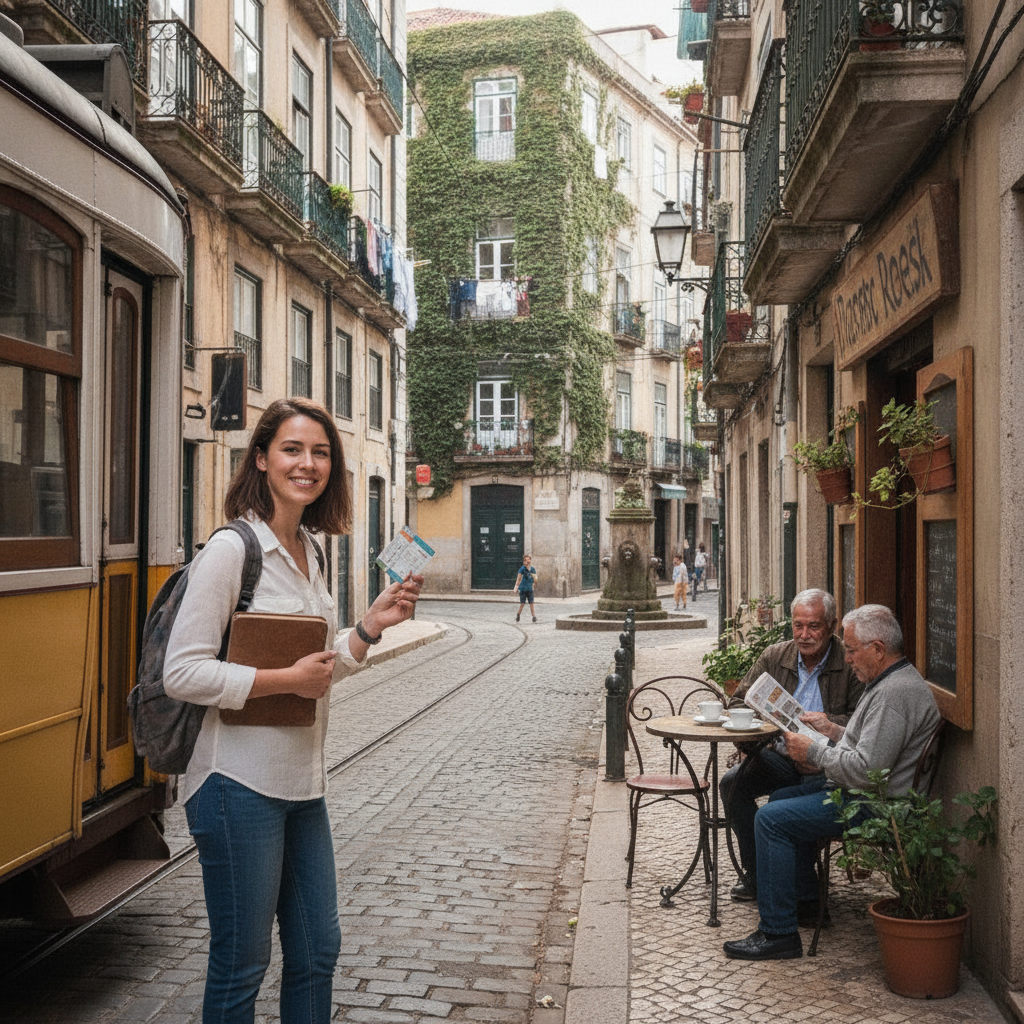
Most tourists see a city from its postcard side — the main squares, the famous museums, the restaurant strips that appear on every travel blog. That version of a city is real, but it's also curated, crowded, and often expensive. The parts that locals actually inhabit tend to sit a few subway stops or a tram ride away, quietly going about their business while tour groups cluster around the landmarks. A multi-day transit pass changes that dynamic entirely, turning the city's own transportation network into your most flexible and affordable exploration tool.
Buy the Multi-Day Pass Before You Do Anything Else
The first thing worth doing when you arrive is purchasing a multi-day transit pass rather than paying per ride. Cities like Tokyo, Lisbon, and Berlin all offer visitor passes that cover unlimited travel on buses, trams, subways, and in some cases ferries. Once the per-ride cost becomes irrelevant, your decision-making shifts. You stop calculating whether a detour is worth it. You board a tram just to see where it goes. That psychological freedom is the pass's real value — it removes the friction that keeps most visitors tethered to the obvious routes.
Ride Each Line to Its Outer Terminus at Least Once
Tourist activity clusters near city centers, which means the outer ends of transit lines are almost always local territory. Pick a metro or tram line and ride it all the way to the final stop. What you find there is rarely on anyone's itinerary, but it's often the most genuine part of the city — neighborhood markets, corner bakeries, parks full of residents rather than visitors. Tokyo's Seibu-Ikebukuro line, for example, passes through quiet residential pockets that feel entirely removed from the energy of Shinjuku, even though they're on the same network.
Use Transit Maps as Neighborhood Discovery Guides
A transit map is actually a neighborhood index if you read it the right way. Station names often correspond to distinct districts, each with its own character. Before committing to a route, spend ten minutes studying the map and looking up a few unfamiliar station names. You'll quickly identify areas that aren't mentioned in guidebooks but have strong local followings. Alfama in Lisbon gets plenty of attention, but the neighborhoods along the outer tram lines — places like Prazeres or Ajuda — offer a slower, less performative version of the same city.
Board Local Buses Instead of Tourist Shuttles
City buses are slower than the metro, and that's exactly the point. A bus ride at street level gives you a moving window into how the city actually functions — which streets are commercial, which are residential, where people gather in the late afternoon. Tourist shuttle buses follow fixed loops between attractions. A regular city bus follows the logic of daily life. When you're riding the same route as someone heading home from work or school, you're already seeing a version of the city that most visitors never access.
Get Off When Something Looks Interesting
One of the best uses of an unlimited transit pass is giving yourself permission to be impulsive. If a stop name sounds intriguing, get off. If you spot an interesting street from a bus window, pull the cord. You can always reboard the next vehicle in the same direction without any additional cost. This kind of low-stakes spontaneity is how you stumble onto the things that actually make it into your memories — a weekend flea market, a bakery with a line out the door, a small plaza that doesn't appear in any search result.
Combine Transit With a Simple Offline Map App
Going off the tourist trail doesn't mean going without navigation. Apps like Maps.me allow you to download full city maps for offline use, which means you can wander confidently even without mobile data. Pair this with your transit pass and you have a setup that supports genuine exploration without the anxiety of getting lost. Knowing you can orient yourself at any moment makes it easier to follow curiosity rather than itineraries, and that's the mindset that leads to the most interesting discoveries.
Time Your Rides to Match Local Rhythms
Transit is different at different times of day, and those differences tell you a lot about a city. Morning rush hour shows you the working city. Midday is quieter and more navigable. Late afternoon brings students and families into the mix. Riding at these varied moments gives you a layered sense of how the city breathes. Some of the most atmospheric transit experiences happen on weekend evenings, when locals are heading out and the system carries a different energy than it does during the week.
Ask Transit Staff for Neighborhood Recommendations
Station attendants and bus drivers interact with the city at ground level, every day. They know which neighborhoods are worth a visit, which markets are worth the commute, and which stops most visitors walk past without a second thought. A simple question — "Is there anything interesting near this line?" — often produces genuinely useful local knowledge. It's a low-effort conversation that costs nothing and occasionally produces the kind of tip that reshapes your whole day.
Public transit systems are only getting smarter and more integrated, with real-time apps, contactless payment, and multi-modal passes that cover bikes and scooters alongside buses and trains. As cities invest in making transit more visitor-friendly, the gap between tourist experience and local experience narrows for anyone willing to use the network as it was intended. The travelers who figure this out early tend to leave a city feeling like they actually knew it — and that's a very different feeling from having simply seen it.