The human digestive system is remarkably sensitive to conditions inside the stomach and small intestine — and water, despite being essential to nearly every bodily process, can either support or subtly disrupt those conditions depending on when it arrives. Most people think of hydration as a steady background habit, something to maintain throughout the day without much strategic thought. The reality is more nuanced. When water is consumed relative to a meal matters in ways that influence gastric acid concentration, enzyme activity, and ultimately how well nutrients are extracted from food.
How Does Gastric Acid Concentration Affect Digestion?
The stomach relies on a highly acidic environment — primarily hydrochloric acid — to break down proteins and activate digestive enzymes like pepsin. This environment also acts as a frontline defense against harmful bacteria that enter with food. Consuming large amounts of water immediately before or during a meal dilutes gastric acid, temporarily raising the stomach's pH and slowing the initial breakdown of food. For most healthy adults, the effect is modest and self-correcting, but for people with already low stomach acid — a condition more common with age — the impact on protein digestion can be more pronounced.
What Happens to Digestive Enzymes When Water Is Added?
Beyond gastric acid, the small intestine depends on a precise concentration of digestive enzymes released by the pancreas, including amylase, lipase, and protease. These enzymes are calibrated to work within a specific biochemical environment. Flooding the digestive tract with large volumes of water alongside a meal dilutes those enzymes, potentially slowing the rate at which fats, carbohydrates, and proteins are fully processed. The effect isn't dramatic in a single meal, but patterns established over months and years can influence how efficiently the body handles nutrients across different food groups.
How Does Hydration Timing Affect Nutrient Absorption in the Small Intestine?
The small intestine is where the majority of nutrient absorption occurs, and the speed at which food moves through it — known as gastric emptying rate — is a key variable. Drinking large amounts of liquid with a meal accelerates gastric emptying, meaning food moves from the stomach into the small intestine more quickly than it otherwise would. While this might sound efficient, faster transit actually reduces the contact time between nutrients and the intestinal lining, which can limit how much iron, calcium, and fat-soluble vitamins like D and K the body actually absorbs. Apps like Cronometer, which tracks micronutrient intake, reflect totals consumed — not totals absorbed, a distinction worth keeping in mind.
What Does Drinking Water Before Meals Actually Do?
Consuming water roughly 20 to 30 minutes before eating has a different and generally more favorable effect on digestion. It hydrates the stomach lining and supports the production of mucus that protects digestive tissue, without directly interfering with acid concentration at the time food arrives. Research in digestive physiology consistently shows that pre-meal water also activates a mild sensation of fullness, which can moderate portion sizes naturally. For people managing blood sugar balance — a concern central to dietary frameworks promoted by organizations like the American Diabetes Association — this timing may also help buffer glucose spikes after carbohydrate-heavy meals.
How Does Hydration Between Meals Support the Overall Digestive Process?
Steady hydration between meals, rather than large volumes taken with food, supports digestion in a fundamentally different way. Water consumed between eating periods helps maintain the mucosal lining of the gut, supports kidney filtration of metabolic waste, and assists peristalsis — the rhythmic muscular contractions that move food through the digestive tract. Chronic low-level dehydration between meals is a common but overlooked contributor to constipation, sluggish digestion, and reduced absorption of water-soluble vitamins including the B-complex group and vitamin C. Brands like Hydrant, which formulates electrolyte blends for consistent hydration, are built on this principle of steady intake rather than reactive drinking.
What Practical Hydration Rhythm Works Best Around Meals?
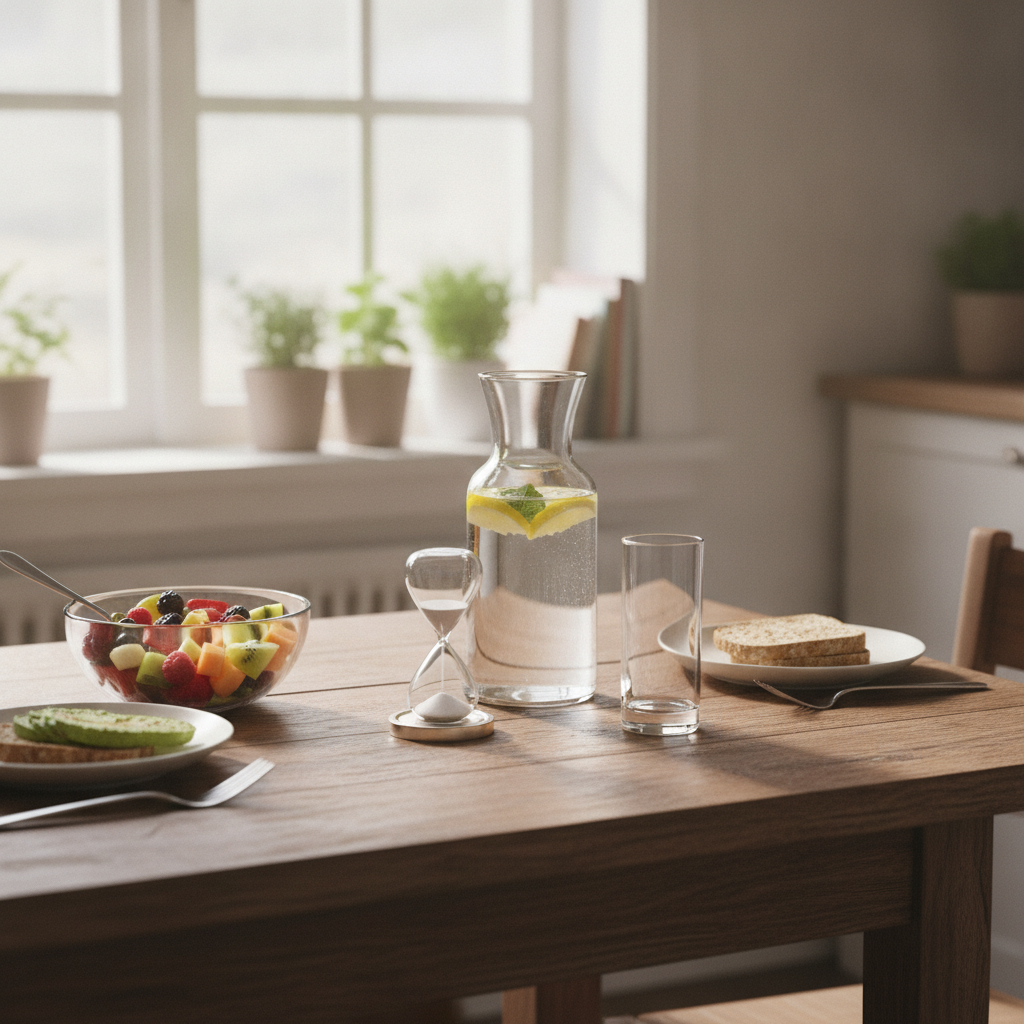
Building a more intentional hydration rhythm doesn't require rigid tracking. Aim to drink a moderate amount of water — roughly one to two cups — about 20 to 30 minutes before eating, rather than immediately before or during the meal. During the meal itself, sipping small amounts as needed is fine and won't significantly impair digestion for most people; it's large volumes that create the dilution effect worth avoiding. Between meals, consistent sipping throughout the day keeps the digestive environment stable. If you use a hydration tool like the Water Reminder app or a marked insulated bottle, the goal is steady rhythm — not dramatic catch-up sessions that dump fluid into a system already working to process food.
The relationship between water and digestion is one of the more underappreciated levers in everyday nutritional health. Hydration timing doesn't override diet quality or overall intake, but it does shape the conditions under which the body processes what it eats. Drinking water thoughtfully — before meals rather than during them in large quantities, and steadily between eating occasions — supports the acid concentrations, enzyme activity, and intestinal transit speeds that allow the body to extract the most from the food it receives.